
 | 19 May 2026
Re-enacting memory: an exploration of ritual in art and science in the context of a proposal for the burial of radioactive waste in Sardinia
Focusing on a proposal to build a nuclear waste repository in Sardinia, Italy, the paper introduces artistic research and the author's artwork Canticle of the Nuclear Sun, which explores the ancient practice of Cantu a Tenore: a form of polyphonic singing for four voices, through a ritual created to transmit knowledge about nuclear waste. In the artwork, the re-enacted ritual is conceived as a repetition of forgotten instructions that overlaps with the remnants of an ancient prayer, thereby failing to convey a clear message about the nature of the waste already at the moment of its creation. Through an analysis of how ritual operates across disciplines and modalities, “scientific rituals” are identified as practices that function in the same way as religious rituals: by filling gaps in human knowledge, they confer meaning to the ungraspable and the overwhelming aspects of nuclear heritage practices. Rituals thus become the sacred and mundane of nuclearity, an invocation for certainty and protection from unknown forces, and a plea for continuity when facing the incommensurable.
- Article
(8607 KB) - Full-text XML
- BibTeX
- EndNote


What does it mean to retain memory when it concerns the unwanted, the discarded, and the waste, particularly nuclear waste? The temporalities involved in the final disposal of high-level nuclear waste, extending over hundreds of thousands of years, far exceed those of recorded human history (see, for example, Joyce, 2020). The challenge of making sense of deep time through ritual presents the research context for this paper: in examining how rituals can inform transgenerational memory of nuclear waste, this paper connects rituals in art and science through artistic research. The scope is therefore to present an analysis of rituals in art and science through the lens of artistic research and the development of an artwork, presented in Sect. 4, which uses ritual practices as a method, while reflecting on the capacity of ritual to transmit memory across deep time. Given the topics discussed, this research aims to contribute to artistic research, as well as to current research on nuclear heritage studies, deep time communication, and nuclear waste management studies.
When looking at practices that could enhance remembering across generations, and specifically memory of nuclear waste, the two poles of the sublime and the mundane come into question: the nuclear sublime encompassing the unthinkable, those aspects of nuclear technologies that slip one's ability to grasp them, such as the incommensurability of a nuclear apocalypse and the infinite timescales of nuclear decay; on the other hand, the nuclear mundane is enacted in the ordinary, in the small numbers that bear no supposed effect on health, in the banality of scientific routines.
The concept of “nuclear mundane” has been articulated by Laura Pannekoek in a dialogue with Frances Ferguson's definition of the “nuclear sublime” (Ferguson, 1984). If the “nuclear sublime” describes the paradox of thinking the unthinkable, the “nuclear mundane”, according to Pannekoek, defines the “contemporary techno-political mechanisms through which the unthinkable timescales of nuclear energy become banalized and figured as regular industrial risk” (Pannekoek, 2020, p. 189). Following this definition of the nuclear mundane, I consider “scientific rituals” in the techno-political management of nuclear waste as an expression of those institutional practices that claim to master the unknown, to address a primary concern regarding the socio-political and ecological implications involved in the perpetual management of nuclear waste. This concern points to the fact that it is not possible to predict the human and geological future in a way that can surely prevent future harm, as might arise from the long-term burial of nuclear waste, to both humans and non-humans. The temporalities involved in managing this kind of waste simply exceed human capability to predict or control the future, and identify and prevent all possible risks. Radioactive waste has, however, been produced and will continue to be produced, thus augmenting the scale of the problem and the exceptional nature of its aftermath.1
Given that one issue on the disposal of nuclear waste is how to ensure the transmission of memory across different temporalities and generations, this article analyzes rituals in art and science from two opposing standpoints. Rituals are considered to be a possible means of transmitting transgenerational memory, and they are a way of coping with uncertainty – when the overwhelming and the unknown come into question, ritual practices may be used, intentionally or not, to fill in the gaps of human knowledge. This is not a novel position. A similar reading of ritual in relation to nuclear technologies has been proposed before. Anthropologist Hugh Gusterson, for example, has looked at nuclear weapon testing as a form of ritualistic practice, suggesting that the ritualized performance of nuclear testing in Livermore Laboratory, USA, until the late 1980s, functioned as a way of creating a “space where participants are able to play with the issue of human mastery over weapons of mass destruction and symbolically resolve it” (Gusterson, 1996–2013, pp. 142–143). In other words, the performance of nuclear testing as a ritual served to convey a sense of control over the destructive power of the bomb. In the same guise, while I am not intending to diminish or challenge the relevance of expert knowledge in the sciences, I want to make the case that scientific protocols, such as safety inspections, can be read as a form of ritual that functions in a similar manner to religious rituals: they enable political powers to neglect personal and societal responsibilities by entrusting “higher forces” when a sense of control is lacking. Contrary to religious rituals, the entity to which such responsibilities are entrusted is, in this case, not a god or a deity but the power of science. In this way, “scientific rituals” become a power-making process in themselves, constantly producing and reproducing power and, by extension, societal legitimacy.
If “scientific rituals”, whether in the sciences or in the arts, may serve to reinforce political statements, rituals can also be used to challenge existing power structures. Rather than assigning ritual a positive or negative value, I aim to think through ritual in the context of artistic research. My research approach examines artistic practices as forms of embodied knowledge, specifically by reinterpreting rituals as a means of reflecting on transgenerational sentience, memory, and the deep temporalities of nuclear energy practices. My artistic work develops in what I have defined as “ritual patterns”, namely artistic practices that loosely stem from the broader umbrella of rituals. My method involves a reappropriation and reinterpretation of traditional ritualistic practices through performative artworks. Ritual is here explored through artistic research to question existing systems of knowledge production in relation to the disposal of nuclear waste. In my artistic approach, rituals are considered a form of cross-generational sentience or material memory transmitted through the body. If sentience refers to the ability to experience, through the means of ritual, this ability may extend beyond that of the single individual, as well as beyond a single human generation. In the title of this paper, the term “re-enactment” refers to repetition as a characteristic of rituals. My artwork Canticle of the Nuclear Sun, which will be examined in relation to the transmission of memory of nuclear waste in Sect. 4, is thought of as a ritual, caught in the process of its own re-enactment: if ritual entails repetition of a primordial act, in the same way, remembering is repeating an origin; but repeating also involves creating and re-creating new origins to be repeated. A re-enacting of memory through ritual thus necessarily blurs this memory in the very act of transmitting it. The following section will delve into rituals in relation to ecology, science, “nuclear markers”, and art.
2.1 Ritual theories and ecology
In common usage, the term “ritual” describes a repeated pattern of behavior that often constitutes a custom or a practice shared by a group of individuals. Although belonging to an interdisciplinary field, ritual studies are most prominent in religious studies. Similar in meaning to the word rite in the description of a practice, ritual is considered a symbolic action that differs from rite, which is linked to a specific religion or cult. The focus of this section is to understand how rituals, intended as a form of cross-generational sentience, may inform or impact nuclear heritage practices. This section also provides a theoretical background for understanding a possible relationship between ritual and ecology in relation to the artwork I describe in Sect. 4.
The English word ritual,2, which comes from Latin, may have derived from the Sanskrit 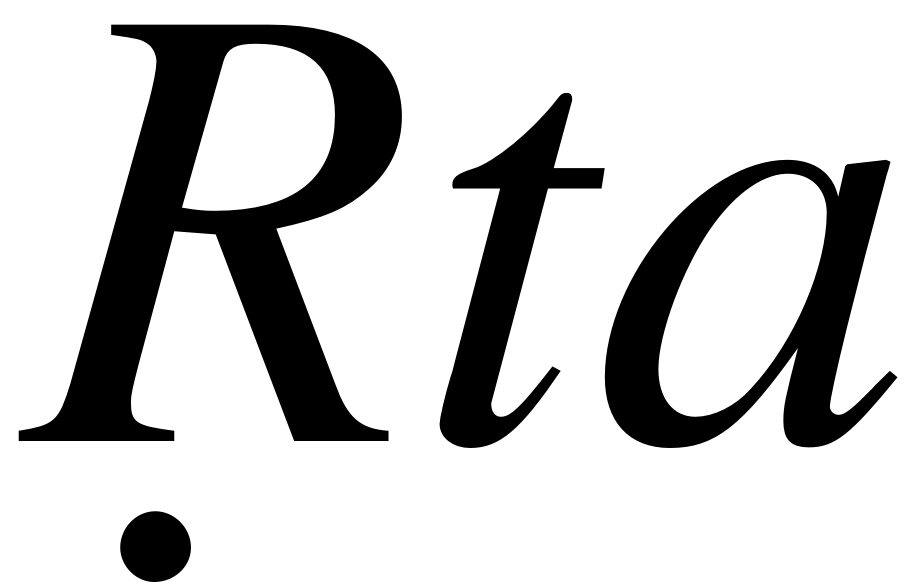 , with a reference to the principle of a natural order or the structure of cosmic events (Boudewijnse, 1998, p. 278). Following the meaning of this possible origin, a ritual action may serve to align those who perform it with a wider cosmic order. This is an interesting idea when considering the use of ritualistic practices in the context of the current ecological crisis and particularly in relation to the need for continuous care of contaminants that did not exist before, such as human-produced radioactive waste. Rituals may symbolize the possibility of restoring an ecological order by restoring to normalcy what has gone astray.
As early as 1967, historian Lynn White proposed that the Judeo-Christian idea of creation, dominant in the West, can be the root of the ecological crisis. Specifically, for White, such a worldview implies a deeply anthropocentric perspective, where the world, and nature itself, are thought of as created to serve humankind's purposes; in other words, to be exploited. At the opposite pole is, for White, pagan animism, where the existence of “spirits” in nature and inanimate objects fosters an attitude of respect toward the non-human; an attitude that the Judeo-Christian tradition has ultimately lost. White proposes that “since the roots of our trouble are so largely religious, the remedy must also be essentially religious, whether we call it that or not” (White, 1967, p. 1207).
Something similar has been illustrated by anthropologist Ronald Grimes. In “Ritual theory and the environment”, Grimes reflects on how rituals have been considered in the context of the ecological crisis, opening the question of whether ritual and ritualizing may be ultimately “good for the planet” (Grimes, 2003, p. 43). According to Grimes's analysis, a possible reason for considering a positive influence of ritual on ecology is that rituals may foster a return to balance in both the human nervous system, and, accordingly, this may have an impact on planetary health (Grimes, 2003, p. 38). However, when addressing how rituals may produce societal change or even ecological healing, one needs to consider the importance of distinguishing the particular kind of rituals that are examined, as well as the ideologies or political grounds on which these rituals are based and performed. Ritual necessarily conveys an intention that goes beyond a sole religious attitude, and such intention emerges as intertwined in a specific socio-political context. Even if an ultimate positive answer on the impact of ritual is challenging to sustain from an ecological or otherwise social perspective, the current state of research brings attention to a possible relationship between ritual and ecology.
Could some form of ritual, then, either related to an existing religion or not, act as an ecological remedy? In the case of the management of nuclear waste, a remedy would mean, at the very least, that the placement and the nature of the waste are remembered across generations. One remarkable aspect of rituals is their capacity to convey and repeat specific forms of behavior across time, thereby contributing to the transmission of transgenerational memory. This has been illustrated by anthropologist Paul Connerton, who has identified rituals and specific ceremonial practices (or commemorative ceremonies) as a privileged means of transmitting societal memory. For Connerton, ritual conveys bodily memory or “habit-memory” (Connerton, 1989–2014, p. 23), which is a performative feature: “in habitual memory the past is, as it were, sedimented in the body” (Connerton, 1989–2014, p. 72). As a form of performative encoding, commemorative ceremonies have the special characteristic of a ritual re-enactment because they “explicitly refer to prototypical persons and events, whether these are understood to have a historical or a mythological existence” (Connerton, 1989–2014, p. 61). According to Connerton, this characteristic is a prerequisite for the transmission of communal memory.
An example that Connerton provides is how bodily practices tacitly communicate rank or social status through culturally encoded postures. As concerns ritual in commemorative ceremonies, the reproduction of a posture – for example, kneeling – identifies the “disposition of their body with their disposition of subordination” (Connerton, 1989–2014, p. 59). A particular kind of resistance to other forms of narrative and preservation of memory is thus entailed in bodily practices, which can “belie or override our conscious decisions and formal actions” (Connerton, 1989–2014, p. 93).
This paper (and my artwork) consider the possible impact of ritual on the transmission of memory of radioactive waste. The need to preserve such knowledge concerns the planning of deep geological or final repositories for the long-term management of radioactive waste, which may extend over a time frame of up to a million years into the future. Assessing the Earth's geological future is an immense challenge and an unprecedented task that exceeds human capabilities to predict the future of the planet, as well as the future of the human race itself. If ritual is considered here as a possible means of transmitting memory, it is clear from the outset that such a memory is bound to the survival of the civilizations that retain the knowledge of the waste. However, it is also in the wake of such uncertainties that ritual operates. If ritual, as described in the following section, is embedded in how society functions, scientific practices, which are a form of social behavior, can operate in a ritualistic manner by acting as forms of legitimization of political decisions. I will now elaborate on this.
Even if it is clear that “scientific rituals” and religious rituals do not share the same ontological and epistemological ground, my claim is that ritual practices encompass a variety of human attitudes, which are manifested through repetitive symbolic actions; these actions, which extend far beyond what is immediately definable as ritual, nonetheless function in the same way as religious rituals in reinforcing ideologies and collective narratives through repetitive behavior. Such ideologies are currently tied to the root metaphor of capitalism: a narrative that regards energy as a primary concern of capitalist societies. The same narrative regards the ecological and societal price to be paid to supply an increasing need for energy as feasible, even when not enough information is available to sustain such a position. Following this line of thought, I call “scientific rituals” those procedures used to ascertain what constitutes knowledge, such as determining the outcome of an uncertain operation on the basis of the scientific protocols that are followed. With the term “scientific rituals”, I wish to address specifically how political decisions, based on the ritualistic procedures that are a convention in the scientific method, are validated and how this validation often implies a compromise. Concerning nuclear waste specifically, I use the term “scientific rituals” to point to what enables ethical questions, such as those on the feasibility and safety of the planned operations, to be set aside. The following section elaborates on this.
2.2 Scientific rituals
The concept of a scientific ritual is not new. If, as we have seen, Gusterson has specifically addressed nuclear weapon testing as a ritual, scholars who have been considered the precursors to science and technology studies (STS) have previously opened the ground for such a discussion by examining the changing concept of technology and its functioning.
The work of Bruno Latour is emblematic of a conception of a relationship between science and religion in STS (see, for example, Latour and Woolgar, 1979–1986; Latour, 1987). In “An Inquiry into Modes of Existence” (2013), Latour uses the actor-network theory as a framework for understanding how different domains like “science” or “religion” function (Latour, 2013, pp. 29–30). According to this theory, Latour defines domains not as static categories but as networks: inherently intertwined, they contain possibilities, regulations, and ways of thinking that belong to different domains or networks. In Latour's example, “science” as a network contains a “series of associations revealed thanks to a trial (…) that makes it possible to understand through what series of small discontinuities it is appropriate to pass in order to obtain a certain continuity of action” (Latour, 2013, p. 33). According to Latour, a univocal definition of the domain of science is therefore an illusion that occurs when seeking to grant continuity to what does not have such definite categorical borders. In fact, “science” is in constant dialogue with, for example, the domain of law, which determines the regulations to be followed. Latour (2010) has also compared the notion of “scientific facts” as “created”, or fabricated in laboratories, to that of fetishes or idols, highlighting the similarities of human reasoning underlying apparently different processes. Following this definition, the notion of “scientific rituals” can be understood as arising from an overlap between the domains of science and religion, where religious rituals pertain.
An interesting reading of ritual in relation to new technologies comes from religious studies. In “Laboratory Ritual”, scholar in religion, science, and technology Robert Geraci, following Latour, has made the point that religion and science share the “significant characteristics of particulates embedded in mediated networks” (Geraci, 2002, p. 901). Geraci further defines laboratory research as a “form of human ritual open to interpretation in the manner of religious ritual”. The claim is that scientific experimentation can be analyzed through ritual theory. Laboratories are, therefore, for Geraci, places of ritual experimentation, where knowledge is produced according to an existing framework that defines the network itself; ritualized procedures would then act “as the safeguard of reliability”. Geraci also stresses the liturgical aspect of ritual, which is characterized by endless repetition: “should the `relators' be correctly aligned, the experiment will yield the desired results. Truth takes on the power of the sacred through ritual, be it scientific or religious” (Geraci, 2002, p. 904). For Geraci, the main difference between science and religion is to be found in what questions are respectively asked by the different disciplines.
However, one needs to make a distinction between science as an epistemic method and science as an institutional ritual. When considering how the scientific method is informed by, or how it includes, ritualized procedures, the study of ritual in microsociology and Randal Collins's description of rituals as socialized behavior may be illuminating at this point. Randall Collins departs from a Durkheimian theory of ritual as a producer of social membership, reading it through Goffman's microsociological perspective of a symbolic interaction. Collins thus identifies rituals across a vast array of human interactions, ranging from conversations and sexual exchange to the performance of social stratification, thereby potentially encompassing all forms of human interaction as ritualistic (Collins, 2005). Regarding rituals in the sciences, Collins makes the point that the emotional energy that is produced in ritual interactions feeds on the exchange of symbols, which are described as making up the “very structure of our consciousness. Symbols are the lenses through which we see” (Collins, 2005, p. 374). The work of intellectual occupations, such as that of scientists, “consists in organizing systems of symbols, which are in turn emblems of membership in particular groups within the intellectual world” (Collins, 2005, p. 164). Therefore, gathered around Durkheimian, “sacred objects” are all human communities, which include the scientific community. In Collins's definition of an interaction ritual, science as an epistemic method falls under the category of ritualized behavior, emphasizing the production of emotional energy derived from social interactions that are created in scientific and other academic environments (Collins, 2005, pp. 352–353).
Such an understanding of ritual as what keeps societies together is, as described by Collins, an automatic process, or a process that does not have to involve any level of reflection. However, there are different implications when considering the explicit use of ritual as a legitimization of political agendas. In this case, ritual and ritualization can serve as a strategy for reinforcing political decisions. In “Rationality and Ritual: Participation and Exclusion in Nuclear Decision-Making”, Professor of Science Studies Brian Wynne (1982–2011) presented, already in the 1980s, through an analysis of the Windscale Inquiry, a definition of how rituals can become a form of legitimization of political decisions, as well as how they are used to systematically exclude the public debate from the decision-making process. For Wynne, if the value of reliability is a prerequisite for scientific knowledge alone, and furthermore if reliability defines what is rational, any critical position that could challenge such authority can be labeled as irrational. In this process, which separates the rationality of science from the irrationality of society, rituals have the function of keeping authority in place (Wynne, 1982–2011, p. 31–32). Wynne also proposes that an “exorcism of any sense of ignorance and lack of control” (Wynne, 1982–2011, p. 33) is performed through a ritual, in which a “public impression of control requires increasingly elaborate verbal repetitions and ceremonial as the contradiction develops between belief and experience” (Wynne, 1982–2011, pp. 36–37). Ritual, in this sense, seen as a means of legitimizing decision-making, can be used to assert certainty in the lack of evidence, as well as to shift the focus away from the irreversible environmental damage that nuclear production continues to create, which becomes legitimized through ritualized practices such as those involving the disposal of nuclear waste.
Recently, Storm and Fröhlig (2025) examined how the nuclear industry enacts ritualized procedures to advance specific agendas, focusing on the ritual of visiting nuclear facilities. They suggest that visiting a nuclear power plant constitutes a ritualistic way of negotiating “what is normal and what is exceptional” (Storm and Fröhlig, 2025, p. 25); they consider the visit itself as a “ritualised transition from one world into another, a symbolic and sensory transformative journey with potentially significant political implications” (Storm and Fröhlig, 2025, p. 28). Specifically, two rituals are identified: a “meta-ritual of security”, where the protocols to prevent contamination are followed strictly, which encloses the main “ritual of performing the nuclear plant as safe”, in which these protocols are relativized and sometimes challenged by the staff of the power plant (Storm and Fröhlig, 2025, p. 29). The visitors to the plant find themselves performing the role of the “unknowing visitor”, where full trust in the staff is demanded of them at every stage of the visit. The ritual in this sense acts as a form of rite of passage, with the goal of producing trust in the nuclear technology: “By putting trust in the staff, the unknowing visitor indirectly puts trust in the nuclear technology, and the main ritual of performing safety is completed” (Storm and Fröhlig, 2025, p. 43).
2.3 Ritual markers
For nuclear technology specifically, a focus of this paper, the technological advancements of the past two centuries – particularly the discovery of radioactivity in 1896 and the subsequent production of radioactive energy for military and civilian use starting in the 1950s – resulted in the modern world facing an unprecedented issue. Nuclear energy generates nuclear waste as a by-product; as we have seen, the open question that nuclear-producing countries face today is how to manage this waste, given that some of it will remain radioactive for a time frame likely to exceed the lifespan of current societies. Radioactive waste has been categorized according to the time required for its decay. In the case of what has been called high-level waste, the proposed inventory of final geological repositories, the timescale that most European countries consider when assessing safety for future humans is 100 000 years. As historian Gabrielle Hecht has noticed, this time frame “exceeds human language horizons” (Hecht, 2018, p. 132). Given the difficulty of transmitting information across such an incommensurable time, scholars have looked at the use of speculative practices in various ways; in the following, I will focus on the use of semiotics and artistic research for the aim of “marking” a waste site, namely delivering some sort of messages to future generations about the existence of radioactive waste.
Recently, nuclear waste has been defined as a form of cultural heritage of the future. Holtorf and Högberg (2021) argue that the legacy of the nuclear age, which has inspired science fiction literature and visual arts in other fields, presents deeply cultural concerns that are shared in heritage studies (Holtorf and Högberg, 2021, p. 146). In reflecting on how the past informs the present, Holtorf and Högberg view future thinking as related to how heritage is conceived. The important contribution they make concerns the role of assumptions in imagining possible pasts as well as future scenarios, highlighting how, over time, what is considered a possible, probable, or preferred future will keep changing (Holtorf and Högberg, 2021, pp. 150–153). This uncertainty needs to be taken into consideration when planning strategies to preserve knowledge about radioactive waste repositories through time, by keeping records and planning sites but allowing future generations “to interpret and use these sites in their own way” (Holtorf and Högberg, 2021, p. 155).
Semioticians have been repeatedly involved in the task of finding a possible way to communicate the dangers of radioactive waste to future generations. Interestingly, Mazzucchelli and Paglianti have analyzed different approaches to nuclear speculative semiotics for different marker systems over the past 40 years, noting that nuclear semiotics appears to have shifted its focus from delivering long-term messages to developing strategies of “heritagization” of waste sites (Mazzucchelli and Paglianti, 2022, p. 23). Typical of a process of “heritagization” is considering the waste site as a kind of monument. Following the logic of the monument, waste repositories have been planned in different ways: as an informative monument, where a spatial system is built to warn an unaware intruder – this is represented by the example of the Human Interference Task Force project for the now stalled Yucca Mountain site in the 1980s (Mazzucchelli and Paglianti, 2022, p. 27); as a negative monument, which would give the sense of something to be avoided – an example is the Waste Isolation Pilot Plant project in the 1990s (Mazzucchelli and Paglianti, 2022, p. 27); and outside of the logic of the monument – another proposed way of considering the waste site is as a place that would invite the visitor in, suggesting that the site could become a lived landscape. This could take the form of a forgotten site, as planned, for example, in Olkiluoto island, Finland, where the nuclear waste burial place will remain unmarked and given back to nature, as the current proposal is to leave the contaminated environment as close to its original state as possible.3
Under the umbrella of the waste site as a lived landscape are proposals of artworks that have been submitted in response to different contexts: Blue Yucca Ridge is a proposal by artist Ashok Sukumaran (2002) to mark the Yucca Mountain site in the USA by planting a genetically modified blue yucca. Stéfane Perraud and Aram Kebabdjian's La zone bleue (Perraud and Kebabdjian, 2015) is, similarly, a genetically modified blue forest, proposed in response to ANDRA's open call for an artwork to mark the French nuclear waste site. Another proposed alternative is to imagine the site as an institution, and the quoted precursor for this model is biosemiotician Thomas Sebeok's idea of a cult of radioactivity. This proposal was based on the knowledge that religion has successfully delivered messages across long time spans. Here, the concept of a “scientific ritual” becomes central in its most literal sense. Sebeok envisioned that all information about the nature of the waste should be entrusted to an elite group of scientists and other required expertise, an “atomic priesthood”, and that this group would be self selective over time. Society would remain unaware of the real danger but still receive the necessary information to keep future intruders away from the disposal site; through a cult, this information would take the form of a religious admonition not to enter. Interestingly, Sebeok considered that such a cult could function through the perpetuation of a “ritual and legend”: a ritual to be held annually and a legend to be retold alongside it (Sebeok, 1984, p. 24). Such an idea is clearly controversial, as it is evident that it presupposes a kind of control exercised by the state that is possible only in totalitarian systems. Even if the exceptionality of the issue, the management of waste over millennia, may be seen by some as a potential excuse for an abrogation of democracy, one needs to consider that every cult entails believers as well as non-believers: those who will act in the opposite way to what is expected of them; therefore, such a solution cannot be accounted for as reliable in the first place.
Sebeok's idea was not original; the term “atomic priesthood” was borrowed from physicist Alvin Weinberg, who first wrote about a possible “military priesthood” to guard against an inadvertent use of nuclear weapons (Weinberg, 1972, p. 34). However, Weinberg's definition was intended as metaphorical: unrealistically, for Weinberg, the mere existence of this kind of technology was to function as a guarantor for the perpetuation of an “atomic peace” (Weinberg, 1972, p. 34). Weinberg also famously used the Faustian myth in relation to radioactive energy, describing nuclear production as a “Faustian bargain” with society: for Weinberg, the “price that we demand of society for this magical energy source is both a vigilance and a longevity of our social institutions that we are quite unaccustomed to” (Weinberg, 1972, p. 33). This last statement refers to a myth, while Sebeok's attention was on a ritual and legend. In both cases, the use of metaphorical and symbolic thinking draws upon a mythical or religious repertoire to achieve greater effectiveness.4 Myth and ritual have been studied as interconnected fields in anthropology, where different theories on the possible origin of ritual from myth or vice versa have historically emerged. Inherently intertwined, myth can be interpreted as the narrative that may accompany ritual actions, while ritual entails the performative aspect of the same myth. Given the use of symbolic metaphors as represented by myths, and ultimately rituals in relation to nuclear heritage practices, this article reflects on how rituals have informed and reinforced nuclear heritage speculations to make the point that “scientific rituals” may function similarly to religious rituals in enabling actants to shrink personal and societal responsibilities by entrusting “higher forces”, especially when there is no guarantee of control over the outcome of the planned operations. I consider this the case when planning the disposal of nuclear waste.
As we have seen, this is not an original claim. Several theorists have critically examined rituals and myth in relation to the nuclear sciences. In “A cosmogram for nuclear things”, historian Gabrielle Hecht describes the concept of “nuclearity” as being “not so much an essential property of things, as it is distributed in things” (Hecht, 2007, p. 101). To define the concept, Hecht proposes examining the nuclear through the metaphor of the cosmogram or an inventory map of the world. The reason for this is that “cosmograms concretize: they offer a set of practices, of rituals to enact participation in the world” (Hecht, 2007, p. 102). The emphasis on rituals thus appears to facilitate an embodied understanding, a way of gaining knowledge through participation. Hecht goes further in using rituals as a metaphor by defining the stabilizing power of “inspection rituals”: “by offering a means to balance the spread and containment of nuclear things, inspections (and safeguards) also served as a mechanism through which to define the nuclearity of things” (Hecht, 2007, p. 105). For Hecht, the definition of “nuclearity” is crucial, as it justifies and enables the political actions carried out according to what is defined as “nuclear”.5 The use of “scientific rituals” thus actively contributes to defining nuclear politics and legitimizing specific political choices.
In the Swedish context, Jonas Anshelm critically presents an overview of how Swedish industrial politics have used narratives from myths to communicate with the broader public, using rhetorics based on a “premodern or enchanted conception of the world” where a “strong belief in progress and modernity was combined with an almost magical view of nature” (Anshelm, 2010, p. 47). Considering that “nuclear technology had enabled a generation of power of a magnitude that earlier had only been heard of in myths” (Anshelm, 2010, p. 50), these narratives often represented nuclear scientists as magicians, able to “accomplish miracles” (Anshelm, 2010, p. 48). Following this logic, regarding the handling of nuclear waste, it is evident that nuclear politics today rely on the hope that the miracles of science will, in the future, provide a solution that this generation is unable to find. This is particularly concerning when it comes to choices that will have a lasting impact on the future of humanity.
Another analysis of the use of myths in relation to nuclear heritage practices in Sweden is presented by Anna Storm in “When we have left the nuclear territories”. Storm proposes that animals and vegetation “are attributed the role of guardians of radioactive remains” (Storm, 2020, p. 318). Together with Thomas Keating, Anna Storm is the author of “Key Information File”, a document composed to convey information concerning a planned nuclear waste repository in Forsmark, Sweden. Written in clear language, the document contains instructions for further updating, at least every 10 years, with the aim to “prevent unintentional human intrusion to the repository and ensure future generations are able to make informed decisions about its management” (Keating and Storm, 2025, p. 6). The responsibility for the transmission of memory is, in this document, carried in the present and delegated to 10 years in the future, a time frame that seems manageable. However, the document relies on the hope that culture will not be disrupted, a challenge that archeologist Rosemary Joyce (2020), among others, has identified as possible. While this is a remarkable example of the extensive research that has been carried out, and is still being carried out, to take into account all possible variables that the current generation has been able to imagine when it comes to figuring out how human and geological future will behave through deep time (see, for example, Ialenti, 2020), the idea of a nuclear repository as a “scientific ritual” concerns in specific the way political decisions are taken, what counts as priority, and what is neglected. I am not trying to diminish scientific expertise when stating that it is impossible to empirically test the outcomes of a repository before it is put to use. However, the time frame required to see the results of containment actions is at least 100 000 years in the future. As researcher Jantine Schöder has remarked, the construction of a nuclear repository for high-level waste is, for this reason, to be considered a “long-term socio-technical experiment” (Schröder, 2016, p. 687).
When uncertainty becomes the only way of dealing with the future, mythical thinking, religion, and ritual come to the rescue, showing how they are intimately tied together. In this paper, I examine the similarities between scientific and religious rituals as a correspondence of a social religious-like attitude that may emerge when facing the unknown. If what is described here is, on the one hand, inherently part of the human condition, on the other hand, the incredible technologies that the Western world has developed pose an unprecedented issue, which has become increasingly problematic. The following section presents examples of artistic research in relation to nuclear science and ritual.
2.4 Ritual art
If rituals have been contextualized, according to Collins (2005), as deeply rooted in the human condition, it comes naturally to think of artistic practice as another form of ritualistic enactment as well.6 However, when rituals are performed through art, they draw upon different values than the same rituals performed through the scientific discourse: first, art often makes an explicit use of ritual practices, or methods; second, art's contribution to knowledge production is marked by an attitude that seeks to unravel overlooked issues and subvert the order of what is considered true or untrue, and this happens often through asking, implicitly or explicitly, questions about societal matters. As an example, philosopher Alva Noë has compared art to philosophy and described works of art as “strange tools” that humanity produces in order to make sense of itself (Noë, 2015, p. 30). Art thus bears in a different manner the task of exploring the unknown and may even present possible unacknowledged scenarios that speculative sciences could utilize, through ritual.
An example is a ritualistic re-enactment of a proposal for a marker system presented in the previous section: as part of their Cumbrian Alchemy project (Williams and McGovern Wilson, 2012–2014), artists Robert Williams and Bryan McGovern Wilson revisited Thomas Sebeok's controversial idea of an atomic priesthood. The artists chose to impersonate an atomic priest and, for this task, used Robert Oppenheimer, who was crucial to the development of the first atomic bomb, as a reference. In the artwork, the atomic priest character reflects on the temporalities of nuclear waste disposal through a ritual pilgrimage to archeological sites in the Cumbrian region (Williams and McGovern Wilson, 2015). The anti-democratic idea of an atomic priesthood is thus further problematized in the artwork by the character of Oppenheimer, which introduces another issue related to nuclear production through a historical reference to the development of nuclear energy for military use in relation to the first weapon of mass destruction, the atomic bomb.
However, even if the values differ, an artistic re-enactment of (nuclear) memory can itself become a “scientific ritual”: as Anna Volkmar (2022), among others, has remarked, artists have been repeatedly been involved by the nuclear industry in contributing to the markers discourse. For Volkmar, art can be used as a legitimation of institutional practices, as in the case of transmitting memory of nuclear waste, because it can express “transcendence, that which exceeds human control” (Volkmar, 2022, p. 152). Volkmar presents the example of William Verstraeten's artwork Metamorphosis (Verstraeten, 2003–2103), commissioned by COVRA, the organization licensed to store radioactive waste in the Netherlands, for the HABORG building, which serves to temporarily store high-level radioactive waste before a deep geological repository becomes operational. In Verstraeten's artwork, the building's color is repainted every 20 years; it will gradually fade, finally becoming white in 2103. In this way, the artwork symbolically conveys the message that the waste will cease to be radioactive within 100 years. However, as we have seen, high-level radioactive waste will remain radioactive for 100 000 to 1 million years in the future. In 100 years, the waste's heat may have cooled sufficiently to permit its transport to a different facility. This artwork thus performs a “scientific ritual”, in collaboration with the nuclear industry, in which the temporalities of high-level waste are blurred to foster an illusion of control. By contrast, an example of an artwork that enables an understanding of deep time through a symbolic-ritualistic practice is Inheritance (Berger and Keto, 2016) (Fig. 1): a highly radioactive necklace, produced by artist Erich Berger and jewelry artist Mari Keto. When the artwork is passed on, a scientific ritual must be performed, namely a ritual of measuring the radioactivity of the objects, a ritual that imitates a scientific protocol. However, this ritual employs a different logic than that of a regular scientific protocol, which is followed to prevent harm. Berger and Keto envisioned the perpetuation of a ritual measurement of the decay of the jewelry every time it is passed on to the next generation, as would be the case for jewelry that can be worn; still, in this case, the ritual shows, again and again, that it is not possible to wear it. The performed measurement is therefore completely unnecessary: it is clear that the jewelry was created not to be worn. The measurement ritual, whether observed or imagined, may then function to produce a form of embodied knowledge of time's incommensurability and human finitude when considering the time span of radioactive decay.
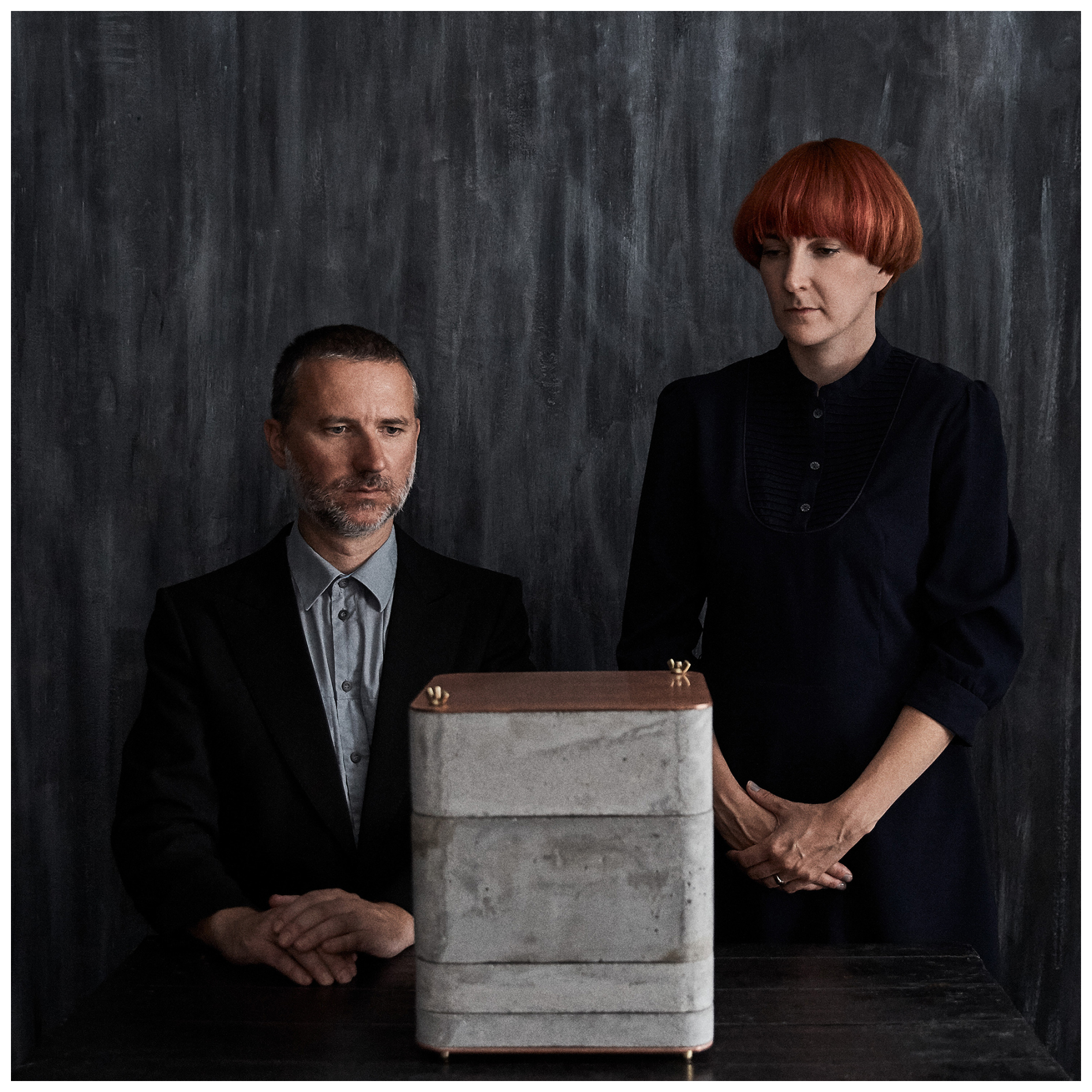
Figure 1Inheritance installation detail, The Burden, digital print on Dibond, © Berger and Keto (2016). Image by Anders Bøggild.
Another example of a re-enactment of a ritual specifically to mark nuclear waste has been proposed by scholars in landscape architecture Liska Chan and Elizabeth Stapleton. The researchers regard culture as more durable than human-made artifacts and, therefore, have examined rituals as a means of preserving memory (Chan and Stapleton, 2019, p. 387). Chan and Stapleton consider ritual as a series of actions “often symbolic in nature, which are regularly repeated, often in a collective manner, to mark changes, reinforce values and tell narratives”, which may be used as a way to “reinforce collective conscience and memory outside the sacred realm” (Chan and Stapleton, 2019, p. 386). Their proposal revisits the common idea of a memorial as a means of preserving transgenerational memory, through the readaptation of the concept of the memorial as an object into something intangible: a ritual pilgrimage. This proposed ritual would unfold by marking a path between the source of nuclear waste, uranium mines on Navajo land, and the supposed burial place of radioactive waste, which they provocatively placed underneath Las Vegas (Chan and Stapleton, 2019, pp. 390–391). Furthermore, this ritual pilgrimage intends to draw attention to itself by walking at a dramatically slow pace: for a non-normative and strange manner of walking that resembles sacred rituals could become a “way to reflect the ominousness of hidden dangers buried beneath the ground” (Chan and Stapleton, 2019, p. 393).
There is a tradition in experimental theater of modifying everyday actions that follows the experiments conducted by Jerzy Grotowski since the late 1960s. Grotowski combined “`ancient ritual techniques' (or ones foreign to most Europeans and Americans) with theater exercises long known to students of Konstantin Stanislavski or Vsevelod Meyerhold” (Schechner, 1993, p. 248). In “The Future of Ritual”, theater director and scholar Richard Schechner describes a possible relation between ritual and healing: “individual and collective anxieties are relieved by rituals whose qualities of repetition, rhythmicity, exaggeration, condensation, and simplification stimulate the brain into releasing endorphins directly into the bloodstream” (Schechner, 1993, p. 233). Theater scholars, including Schechner, consider theater to be a direct development of ritual, tracing its origins to Greek tragedy. There is an ancient connection between healing and ritual in the Western tradition. The practice of temple sleep, also known as sleep incubation, was a ritual in ancient Greece in which individuals slept in a temple to encounter a deity in a dream, with the intention of curing an illness. A similar practice was already employed in ancient Egypt over 4000 years ago. Historian and ritual scholar Mark Beumer (2020) highlights how the healing ritual of temple sleep has since been transformed and readapted by the Christian tradition, while its aims and methods have remained unchanged.
A contemporary version of temple sleep, specifically related to nuclearity, is described by anthropologist Shannon Cram in “Unmaking the Bomb” (Cram, 2023, pp. 120–130). Cram illustrates the experience of becoming a spectator of a ritualistic performance that happened in the B reactor at the Hanford site, the most contaminated nuclear waste site in the USA. Nuclear dreams: an oral history of the Hanford site (Unterseher, 2019), the title of the performance, was created by composer Reginald Unterseher in collaboration with librettist Nancy Welliver, who worked as an environmental scientist on the site. The songs performed present a collection of the dreams of the workers involved in the cleanup process. As a spectator of this performance, the contaminated site is experienced by Cram as a temple, where the sacredness of the impossible task of making the waste disappear collides with the sacrifice of the workers, which is reflected through their dreams as well as the radioactive poisoning taken by their bodies. For Cram, the performance “presents the dreamworld as physical: its myths and metaphors originating in the body, at once uncanny and mundane” (Cram, 2023, p. 129).
If theater stems from ritual and ancient healing practices, performance art can also be seen as a direct descendant of ritual practices. Given the supposed connection between ritual and art, and particularly performance, it is unsurprising that contemporary artists utilize ritual in relation to healing and, specifically for this historical moment, healing the environment. However, healing itself cannot be determined as an artistic intention: it would be naive to state that an artwork can heal; but a reflection on the necessity to heal the environment, or prepare us for the changes that will come, is what many of these artworks still convey.
3.1 Nuclear politics and cultural landscape in Sardinia
In the previous section, I presented examples of artistic practices that use ritual to question existing systems of knowledge production and to reflect on the necessity of healing the environment. In my artistic research, I make explicit use of rituals as an artistic method, working through a reinterpretation of existing rituals. In the context of my artistic practice, I define the term “ritual patterns” as an artistic method in which I use a reappropriation and reinterpretation of traditional ritualistic practices.
This research develops along with my artwork Canticle of the Nuclear Sun (which will be described in Sect. 4), made in collaboration with the group Tenore Murales from Orgosolo, to address the Italian Government's proposal of planning a facility for the disposal of radioactive waste in Sardinia, where eight sites have been identified as possible locations to host a national repository. The construction of a nuclear repository for radioactive waste in Italy represents a solution to an old problem: Italy voted against nuclear power in a public referendum in 1987, which followed the Chernobyl nuclear disaster. This resulted in the shutdown of all Italian power plants and research reactors between the late 1980s and the early 1990s. However, the new legislation did not provide regulations for the decommissioning of the plants but only a temporary hold, which ultimately led to neglected care of the already produced waste (see, for example, Luzzi, 2010, and Elli, 2024). The proposed construction of a national repository is initially planned as another temporary solution to store this waste for the next 300 years.7 However, this initial phase will likely serve as a testing ground to seek consensus between the institutions and the local population to open the way for the planning of a final repository. Furthermore, while the construction of a repository for storing radioactive waste addresses an existing issue, it also implicitly enables the future production of this kind of waste: in fact, Italy has just reverted its anti-nuclear stance and committed to reintroducing nuclear energy in 2030.8 If this plan is implemented, a repository for high-level waste will become a priority in the near future. Nuclear waste derived from past production is not currently present in Sardinia. However, most of NATO military bases in Italy are in this region (Fig. 2).
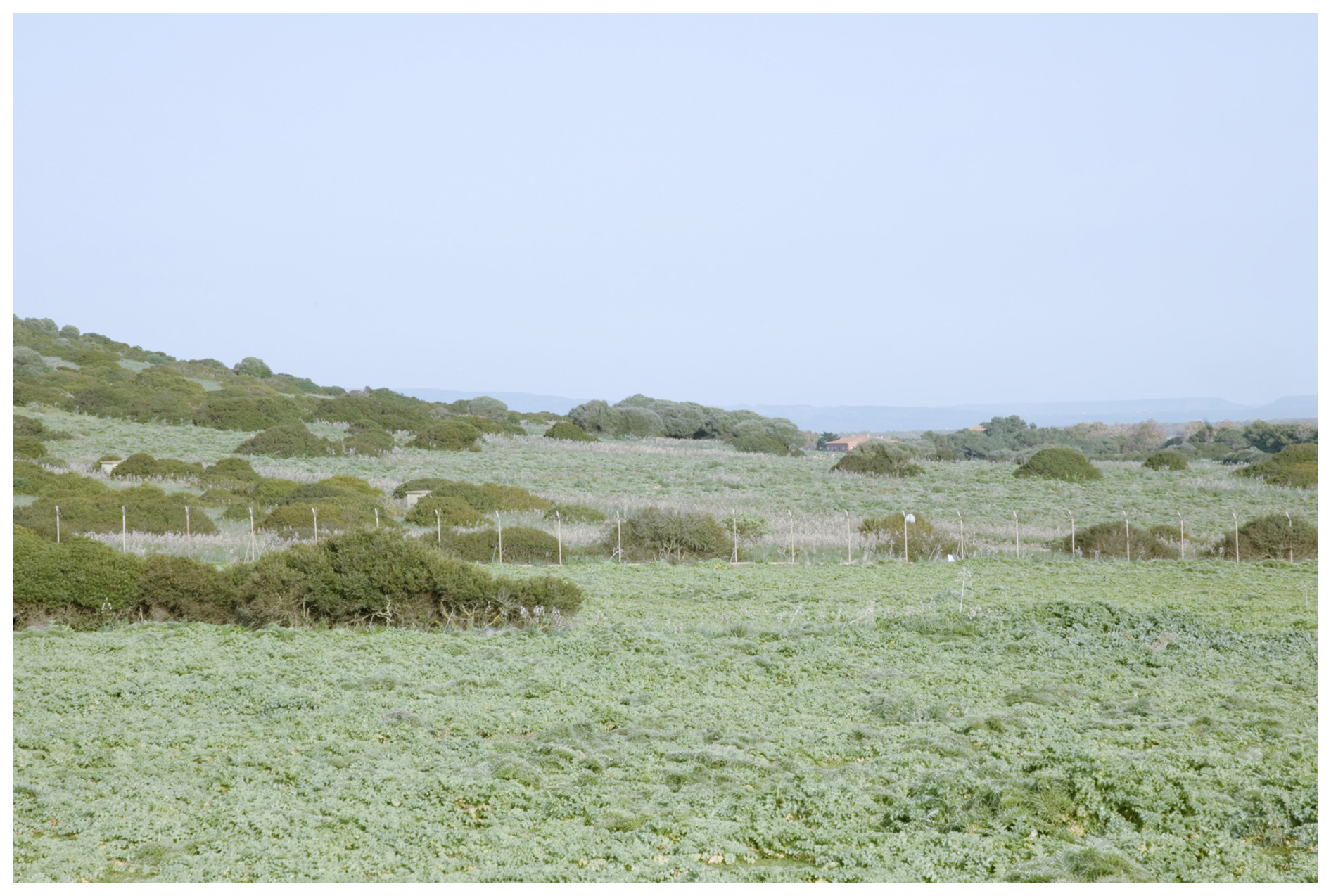
The military areas have also been used as a testing ground for experimental weapons, along with the disposal of old weapons and chemicals. Birth malformations and cancer within the population, as well as a number of animals reported as born with deformities, are connected to emissions of depleted uranium and thorium.9 The island of Sardinia is sparsely populated and distant from the mainland; nuclear policies implemented in this territory thus reflect a history of colonial practices that have accompanied nuclear energy production since its inception (see, for example, Nixon, 2011; Nye, 2021).
3.2 Cantu a Tenore
Sardinia is one of the oldest geological formations in the Mediterranean Sea, and traditions rooted in folklore are believed to date back to prehistoric times. There are several thousand archeological remains on the island, pointing to early civilizations and rituals: for example, the characteristic tombs carved in the rock called Domus de Janas (Sardinian for houses of fairies, also called houses of giants) (Fig. 3) date back to the late Neolithic and early Bronze Age (circa 4400–2000 BCE; for an account of Sardinian archeology, see, for example, Lilliu, 1988–2003).
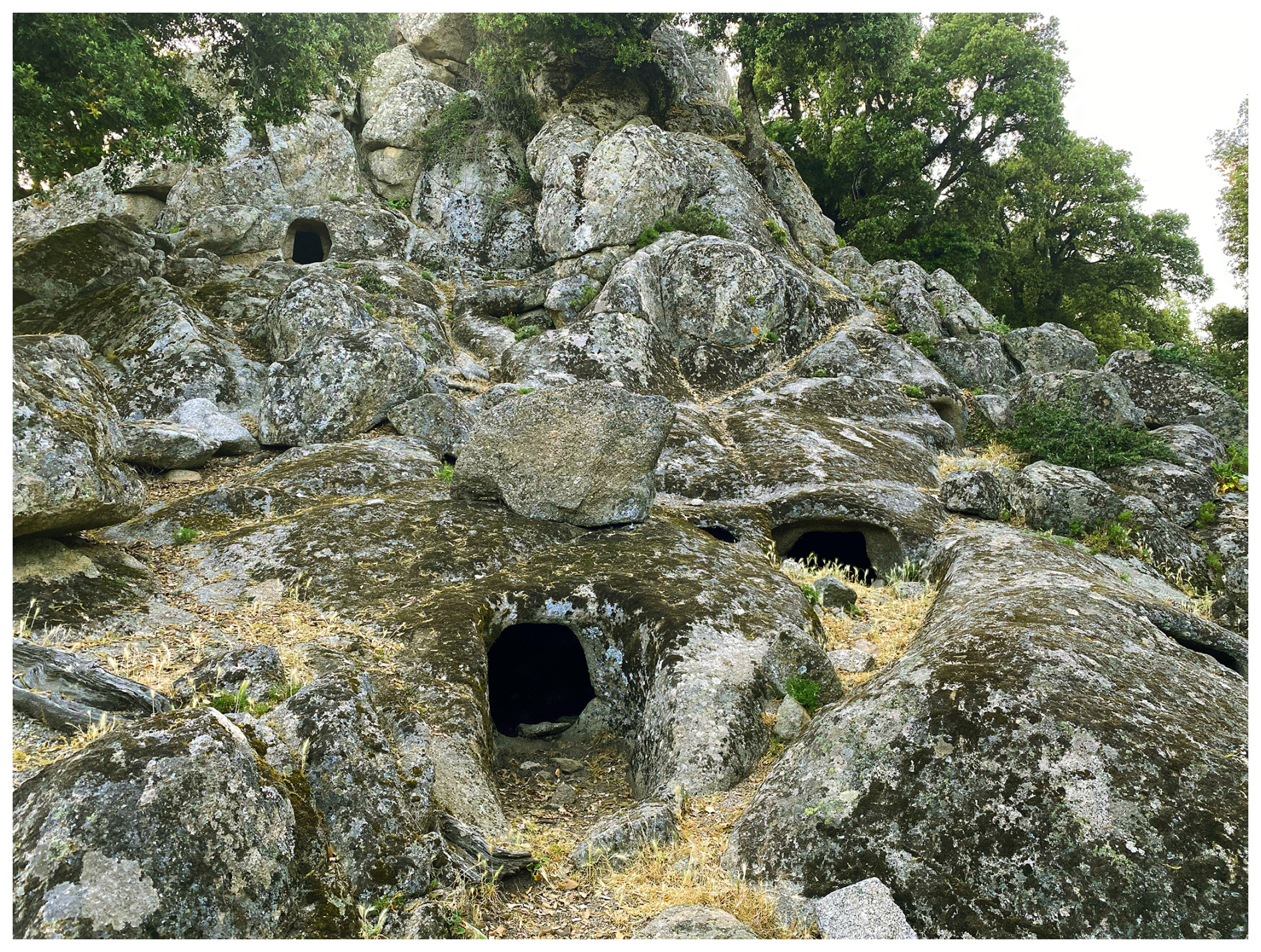
Figure 3Domus de Janas, a burial site dating back to the Neolithic in Sardinia. Image: Aurora Del Rio.
During the Bronze and Iron ages, the island saw the flourishing of the Nuragic civilization (between approximately 1800 and 500 BCE according to Lilliu), named after the nuraghi, which are characteristic remains of around 7000 tower-shaped structures and complexes. Originally thought to have a defensive function, further research has shown how these towers appear to be astronomically placed, with their entrances and openings often oriented toward sun solstices. More recent studies have therefore emphasized a possible ritualistic function of these towers (Leighton, 2022; Zedda and Belmonte, 2004). The earliest written account of Sardinian singing dates to 931, when people from Sardinia are said to have welcomed the Byzantine emperor with a chant described as possibly polyphonic (Deplano, 2007, p. 15). However, the traditional polyphonic singing of Cantu a Tenore, which is still performed in local communities and at traditional events, may have even remoter origins. Looking for a possible origin of this singing, linguist Andrea Deplano, who has extensively studied the Cantu a Tenore throughout his life, cites a small bronze sculpture depicting the use of a polyphonic instrument, which was identified as the launeddas; this instrument is still in use and produces a harmony similar to that of polyphonic vocality. Another possible record of an earlier presence of Sardinian singing is the bronze sculpture found in Santa Lulla (Orune), dated to around the ninth century BCE, which archeologist Giovanni Lilliu has hypothesized depicts a person in the act of singing (Deplano, 2007, p. 11).
Cantu a Tenore is currently performed by four male voices: a solo voice and a choir. The solo voice sings in the local Sardinian language, following a musical repertoire that often addresses themes of cultural identity and political issues. At the same time, the three voices that compose the choir produce rhythmic guttural sounds in a polyphonic manner, using short syllables. These sounds have been characterized as nonsensical and interpreted in various ways, including as possible imitations of livestock sounds. However, they may carry ancient meanings, dating back to a pre-Nuragic era in Sardinia. Recently, Andrea Deplano (2013) has argued that, even if those sounds appear to lack intelligible meaning, they nevertheless convey understandable content when read in ancient Sumerian and Akkadian. Deplano's research follows a new theory on the etymology of the Sardinian language proposed by Salvatore Dedola (2012–2024), who has analyzed similarities between certain Sardinian words and toponyms, and those of Sumerian and Akkadian, finding correspondences.10
Specifically, for Deplano, the sense of those forgotten words in the Cantu a Tenore can be read as fragments resembling ancient prayers that were perhaps addressed to a sun deity. In my interview, Deplano (personal communication, 2024) hypothesizes that ancient Sardinians may have been sun worshippers. To sustain this thesis, Deplano presents two possible syllables associated with a divinity: “El”, with a reference to the biblical god (but possibly preceding it) and “Ra”, which could refer to the sun god in the Mesopotamic culture of the Mediterranean area. As concerns a possible interpretation of the sounds of the Cantu a Tenore as an ancient prayer, Deplano (2013) gives the example of the sounds “bi ra m ba-i” (Deplano, 2013, p. 22), where “bil” could be read as “to burn” in Sumerian, “Ra” as the name of the sun deity, and “ba” for “to donate”, with the final “i” as an assortative-invocative ending. Numerous other examples, which I will not repeat here, are presented to support this interpretation.11
My artwork (described in the following section) was profoundly inspired by Deplano's research. In considering the need to transmit memory related to the temporalities of nuclear waste management, I find it particularly relevant that, according to Deplano, the singing of Cantu a Tenore could incorporate a forgotten language that possibly pre-existed and was likely used during the Nuragic civilization. If this is true, the singing could be conveying memory over approximately 4 millennia.
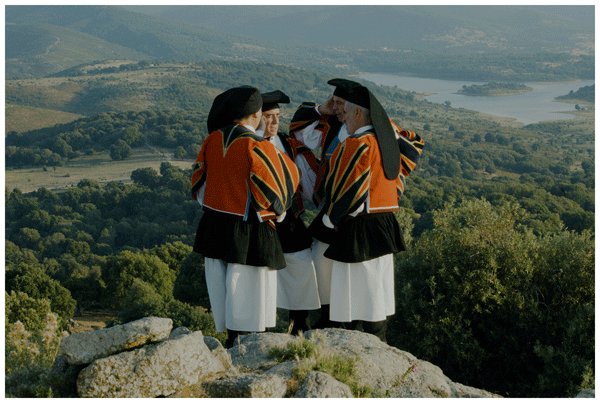
My art project Canticle of the Nuclear Sun (Del Rio, 2026) explores the possibility that an ancient ritual may transmit memory across deep time by reinterpreting the ritual singing of Cantu a Tenore from an existing tradition to reflect on radioactive waste disposal and heritage practices. While drawing upon local knowledge, this research nevertheless aims to reflect more broadly on the capacity of ritual to convey transgenerational memory. Considering how this singing has enabled the survival of ancient prayers through millennia, and considering how, following anthropologist Paul Connerton (Connerton, 1989–2014), among others, ritual ceremonies are a way society uses to convey memory, in the artwork, I envisioned the traditional singing of Cantu a Tenore as a ritual that may still be performed in the deep future. By reinterpreting an ancient singing as a warning, the work speculates on the possible transmission of some memory concerning the placement of radioactive waste. I developed the artwork, a video installation, in collaboration with the group Tenore Murales, from Orgosolo (Fig. 4).
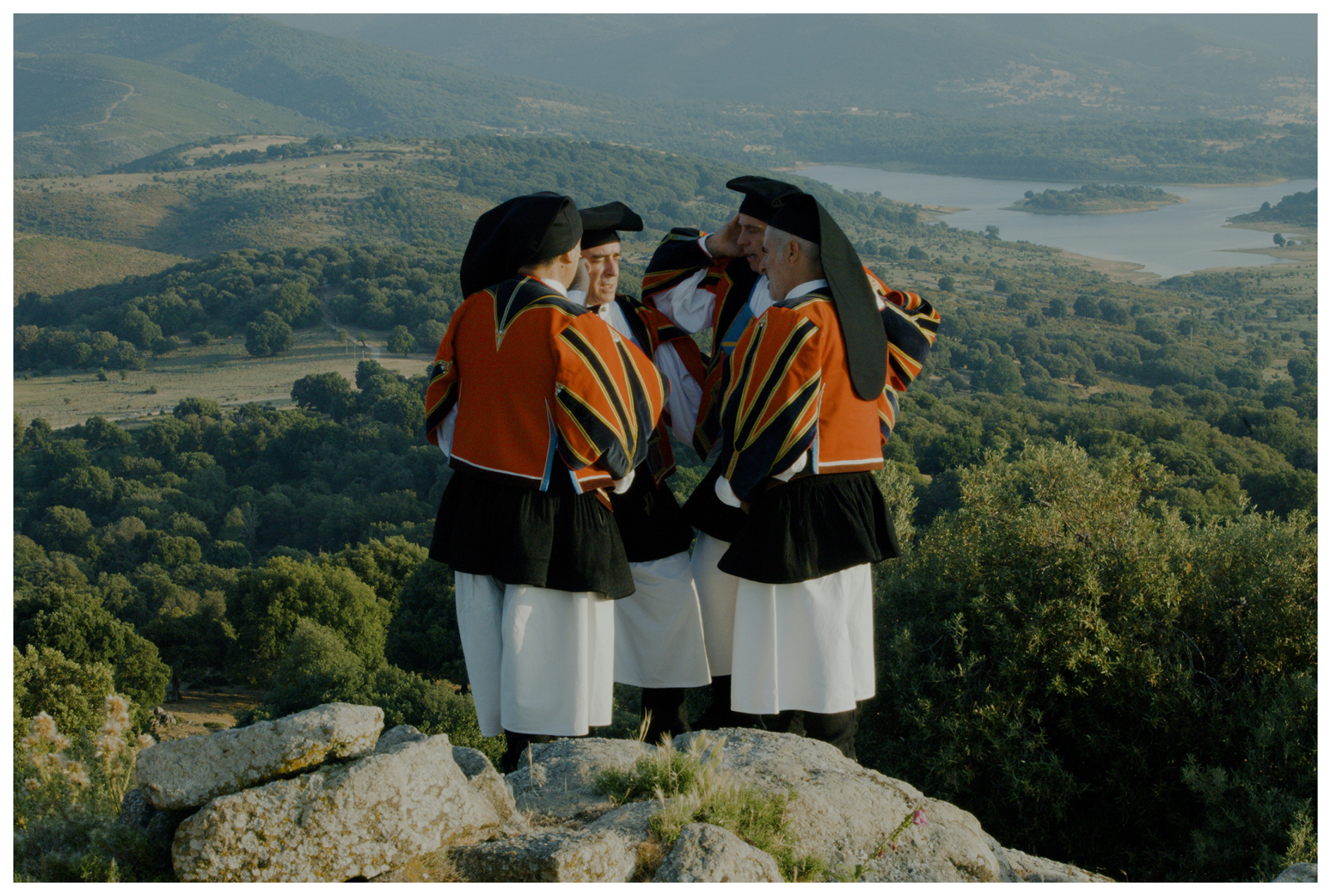
Figure 4The group Tenore Murales from Orgosolo sings in traditional costumes on a cliff. Image: Aurora Del Rio.
The group has been active since 1991 and is among the best-known interpreters of Cantu a Tenore in Sardinia today. I asked Maurizio Bassu, one of the voices of Tenore Murales and also the author of the lyrics, to compose a new song that would talk about nuclear waste from the point of view of a future generation in which the meaning of the song, and of the ritual singing (thought of as orally transmitted), has already been partially forgotten. The core idea was to portray the ritual singing as occurring in the deep future, as if caught in the act of transmitting a message about the danger of the nuclear waste that has already been buried. However, instead of conveying a clear message, the singing combines an adoration of the sun deity with a partially forgotten message, from the perspective of a hypothetical future generation that perpetuates Cantu a Tenore to issue a warning. Considering all the uncertainties and challenges of predicting future scenarios, such a message is, in the artwork, necessarily doomed to fail, and it does fail to transmit a warning through the singing even in the very moment of its realization. Resembling a “scientific ritual” in addressing the need to mark a possible nuclear waste site through an invocation of higher forces, this artwork instead reflects on opposing values, namely that such a need shall be renegotiated, at least in the near future.
As mentioned in the previous section, the artwork draws on linguist Andrea Deplano's research on the etymology of the Sardinian language, specifically focusing on the meaning of the sounds produced by the choir, which Deplano has interpreted as an ancient prayer to the sun deity. A connection between the singing tradition and the adoration of the sun is also reflected in the singing styles I asked the group Tenore Murales to use as a reference. In particular, the used styles included Sa Vardeina, a pastoral song to the crops, which is a hymn to the fertilizing god, reflecting the idea of the sun deity. S'Attitu, or Tattaiu Meu, another style, is an ironic requiem that mocks the dominant powers and is traditionally performed during carnival. This style connects the message conveyed through the singing to traditional carnival rites.12 In the singing, this style is used to satirize humanity's longing for nuclear energy and presents the sun deity as violated by the greed of modernity. There are numerous archeological accounts of sun worship in human prehistory, including traces of ritual activities and the orientation of prehistoric monuments in Sardinia toward the sun's solstices. A reference to the sun as a deity is particularly relevant to this artwork, and I propose that the adoration of the sun, present in various traditions, is comparable to the current “adoration” of energy in Western modernity. When considering nuclear energy in particular, a parallel between the astronomical sun as related to the sun god and nuclear energy concerns the fact that the sun emits radiation from nuclear fusion occurring at its core.13 The image of the nuclear sun thus concretely brings together an old and a new form of adoration of the sun to highlight an ambiguity inherent in this ritual and in Western modernity: how the rational mind excludes itself from what is observed, thus failing to acknowledge the irrational as part of the rational discourse, namely that the very rational mind cannot operate as detached from itself or disembodied. Here, ritual comes as a rescue, bringing back a different form of sentience and knowledge that resides in bodily habits to bring about certainty even in the lack of evidence but perhaps guided by a deep intuition, a form of knowledge that sole rationality cannot reach.
In the artwork, the singing is ritualistically re-enacted as if it had been passed on to future generations. However, my intention was not to suggest that memory can be successfully transmitted through singing. On the contrary, the ritual acts as a repetition of forgotten instructions, a lost map to the knowledge of the buried waste, which ultimately overlaps with the sun's adoration expressed and perpetuated in the ancient sounds. This overlapping is reflected in the solar myth that the artwork (re)creates. The sun is thus both a source of energy and an object of adoration. If nuclear processes occur in the sun through the fusion of hydrogen nuclei into helium, then nuclear technologies can be thought of as striving to achieve on Earth a process that belongs to the stars and to the sun. The solar myth in the artwork, therefore, aims to merge two world views: an ancient adoration of the sun as a deity, together with its current re-enactment: a striving to produce energy in the guise of an almost religious adoration. The significance of the ritual here lies in reconciling somewhat opposing meanings into a new understanding of underlying mythical and symbolic elements. In this paper as well, the meaning of ritual encompasses opposing standpoints: if ritual can be used to establish a sense of control over the outcome of uncertain operations, such as managing radioactive waste across generations, ritual can also function to point to what exceeds the boundaries of human knowledge.
The title of the artwork references what is thought to be the most ancient text in the Italian language, a poem from Saint Francis of Assisi, dated to around 1224: Canticle of the Sun, a hymn to nature and life. As Franciscan friar and theologian Eric Doyle reports, the poem, written to be performed through singing, was composed after a mystical experience in which Saint Francis was promised eternal life. Doyle also reports that, a few weeks after it was composed, the poem was sung to solve a controversy between religious and civil authorities in Assisi (Doyle, 1974, p. 395), which perhaps demonstrates a possible healing function of the poem or of singing. By referencing this poem, my artwork references multiple temporal dimensions: the current lifetime of the Italian language, 800 years, and eternity, which is the duration of life promised to Saint Francis, mirrored by the lifetime of high-level nuclear waste. Will culture and belief extend, through ritual, beyond language into eternity?
Saint Francis's poem praised the Christian god for creating existence, beginning with a celebration of the radiance and beauty of the sun. Although the poem and my artwork exist in two very different technological realities, I drew inspiration from the poem because it reconnects the Christian tradition with an older tradition of adoring the sun. As historian Lynn White has noted, when considering the influence of the Judeo-Christian heritage on the current ecological crisis, Saint Francis represents an exception to an otherwise anthropocentric perspective, in that this view of nature takes on a quasi-animistic stand: in White's words, a “unique sort of pan-psychism of all things animate and inanimate” (White, 1967, pp. 1206–1207). White even states that Saint Francis was a heretic (White, 1967, p. 1206).14 Continuing the parallel drawn so far between religion and science, one may argue that a radical heresy is needed today to address the techno-scientific faith in nuclear energy, among other forms of environmental disruption.
In the artwork Canticle of the Nuclear Sun, I consider the traditional singing of Cantu a Tenore as a recipe that is followed as an ancient ritual to extend its temporal dimension into the future but questioning the possibility of transmitting a clear message, and at the same time questioning nuclear technologies and the politics that guide decision-making, thought of as a ritual. In the performed lyrics, a possible message about the nature of the waste is intentionally blurred already in the present moment, and an explicit warning is given instead to address the very impossibility of the task of transmitting memory across deep time.15 The metric of the song, drawing upon a long tradition, resembles the metric of the decisions that are taken following scientific procedures that draw upon other kinds of traditions. They are all techniques invented, repeated, and performed by humans in the form of a ritual; this form allows them to keep the illusion of control. As Gabrielle Hecht has stated, the nuclearity of things is also set through “rituals that set the limits of the nuclear”, and these rituals “are constantly being refined and redefined in the hopes of increasing their power to circumscribe nuclear meanings and things” (Hecht, 2007, p. 106). In the case of scientific rituals as described by Hecht, we have seen that they are used to affirm a need to control unforeseen outcomes, for example, when handling high-level radioactive waste. However, ritual can also function not to conceal but to point to what exceeds the boundaries of human knowledge.
If Saint Francis's teachings were an inspiration for my artwork, his pseudo-heretical position resonates with this paper as well: my artwork questions whether a message about the nature of the waste could simply not be transmitted. This may be considered heretical by those who are trying to solve an important issue – that of the safe disposal of nuclear waste for the current generation. However, as Andrew Stirling has pointed out, it matters which ethical questions we ask, because the “answers are typically determined by the forces that shape the questions that are or are not asked”.16 An essential question in the management of nuclear waste, following Stirling, is whether the best form of radioactive waste management would be to stop producing this kind of waste.
As we have seen, future thinking, and specifically deep time thinking, involves an abstraction that is particularly difficult to conceive, and such an abstraction often even lies beyond the capability of human reasoning (see, for example, Ialenti, 2020; Schröder, 2016; Joyce, 2020). It is in this gap that ritual intervenes, artificially constructing a sense of security through the repetition and perpetuation of symbolic acts that, concomitantly, delegate power and responsibilities to higher forces while invoking protection and even forgiveness. Ritual thus embodies sacred and the mundane aspects of nuclear energy practices, an invocation of unknown forces in the face of uncertainty, and an act of creation and repetition, a need for continuity within culture and civilization that is essential to preserve memory of nuclear waste. In a similar attitude of abandonment, ritual in artistic research may pose societal and existential questions. Even if left unanswered, such questions may raise further questions about the nature of the societal problems that Western modernity currently faces.
The artworks presented in this paper can be accessed by following the websites provided in the reference list.
The author has declared that there are no competing interests.
Publisher's note: Copernicus Publications remains neutral with regard to jurisdictional claims made in the text, published maps, institutional affiliations, or any other geographical representation in this paper. The authors bear the ultimate responsibility for providing appropriate place names. Views expressed in the text are those of the authors and do not necessarily reflect the views of the publisher.
This article is part of the special issue “The power of the mundane in nuclear energy cultures”. It is not associated with a conference.
This research has been supported by the Department of Art and Media of Aalto University, Finland. I would like to thank my supervising professor, Laura Beloff, for the ongoing support and the extensive discussions that led to the writing of this paper, as well as for checking the final versions. I would like to thank my academic advisor, Petra Tjitske Kalshoven, for an insightful critique and extensive comments on previous versions of this paper, as well as on my research, and for the suggested literature. A warm thank you to Andrea Deplano, who has provided incredible insights for this research. A heartfelt thank you to the association Tenore Murales from Orgosolo and specifically to Franco Corrias, Maurizio Bassu, Salvatore Musina, Antonio Musina and Cosimo Mureddu, for collaborating on the artwork. Finally, thank you to the rAt research group from Aalto University for the ongoing comments and insights on my research.
This research has been supported by Aalto University through a researcher contract for doctoral researchers.
This paper was edited by Sergiu Novac and reviewed by two anonymous referees.
Anshelm, J.: Among demons and wizards: the nuclear energy discourse in Sweden and the re-enchantment of the world, B. Sci. Technol. Soc., 30, 43–53, https//doi.org/10.1177/0270467609355054, 2010.
Beumer, M.: The foundation of anthropology to ritual studies, Journal of Ritual Studies, 34, 20—30, https//doi.org/1093/acrefore/9780199340378.013.21, 2020.
Berger, E. and Keto, M.: Inheritance [installation], https://inheritance-project.net/ (last access: 3 May 2026), 2016.
Boudewijnse, B.: British roots of the concept of ritual, in: Religion in the Making: The Emergence of the Science of Religion, edited by: Molendijk, A. L. and Pels, P., Brill, Leiden, 277–295, ISBN 90-04-11239-1, 1998.
Bundesamt für die Sicherheit der nuklearen Entsorgung: Livestream safeND 25 – Day 2 (18.09.2025): https://www.youtube.com/watch?v=Lu8ci2FQZkk&t=4214s, last access: 1 December 2025.
Chan, L. and Stapleton, E.: Walking atomic Vegas: ritual, memorial, and toxic landscapes, Journal for Cultural Research, 22, 386–395, https://doi.org/10.1080/14797585.2019.1622301, 2019.
Collins, R.: Interaction Ritual Chains, Princeton University Press, Princeton and Oxford, ISBN-10: 0-691-12389-6, 2005.
Connerton, P.: How Societies Remember, Cambridge University Press, Cambridge, ISBN 978-0-521-27093-9, 1989–2014.
Cram, S.: Unmaking the Bomb: Environmental Cleanup and the Politics of Impossibility, University of California Press, Oakland, California, ISBN 9780520395121, 2023.
Dedola, S.: Il Monoteismo nella Sardegna Precristiana, Grafica del Parteolla, Cagliari, ISBN 9798875596537, 2012–2024.
Del Rio, A.: Gift of Inheritance: What is a Gift that One Cannot Experience?, in: The Presence of Exchange: Gift in Artistic Research and Beyond, edited by: Ziegler, D., Beloff, L., Blanchette, C., and Vahvaselkä, H., Academy of Fine Arts, University of the Arts Helsinki, Helsinki, 66–92, ISBN 978-952-353-490-2, 2025.
Del Rio, A.: Canticle of the Nuclear Sun [video installation], 2026.
Deplano, A.: A Tenore, Grafiche Editoriali Solinas, Nuoro, 2007.
Deplano, A.: Bidùstos, edited by: Edizioni Frorias, Decimomannu, 2013.
Deplano, A.: Sonos e sensos: le remote origini del canto a tenore e della lingua sarda, https://www.youtube.com/watch?v=mbIb4kmsWRk, last access: 1 December 2025.
Doyle, E.: Ecology and the Canticle of Brother Sun, New Blackfriars, 55, 392–402, https://doi.org/10.1111/j.1741-2005.1974.tb06203.x, 1974.
Elli, M.: The missing decision. Nuclear decommissioning and the issue of the waste repository in late Twentieth-Century Italy, Contemporanea, Rivista di storia dell'800 e del '900, 429–456, https://doi.org/10.1409/114590, 2024.
Ferguson, F.: The nuclear sublime, Diacritics, 14, 4–10, https://doi.org/10.2307/464754, 1984.
Foreign Correspondent: How paradise island Sardinia was poisoned by the world's military, https://www.youtube.com/watch?v=K6-6AYQYJm8, last access: 1 December 2025.
Geraci, R.: Laboratory ritual: experimentation and the advancement of science, Zygon Journal of Religion and Science, 37, 891–908, https://doi.org/10.1111/1467-9744.00463, 2002.
Grimes, R. L.: Ritual theory and the environment, Sociol. Rev., 51, 31–45, https://doi.org/10.1111/j.1467-954X.2004.00449.x, 2003.
Gusterson, H.: Nuclear weapons testing; scientific experiment as political ritual, in: Naked Science: Anthropological Inquiry Into Boundaries, Power, and Knowledge, edited by: Nader, L., Routledge, London and New York, 131–147, ISBN 978-1-315-02219-2 (elSBN), 1996–2013.
Hecht, G.: A cosmogram for nuclear things, Isis, 98, 100–108, https://doi.org/10.1086/512834, 2007.
Hecht, G.: Interscalar vehicles for an African anthropocene: on waste, temporality, and violence, Cult. Anthropol., 33, 109–141, https://doi.org/10.14506/ca33.1.05, 2018.
Holtorf, C. and Högberg, A.: What Lies Ahead? Nuclear waste as cultural heritage of the future, in: Cultural Heritage and the Future, edited by: Holtorf, C. and Högberg, A., Routledge, London and New York, ISBN 978-1-138-82901-5, 2021.
Ialenti, V.: Deep Time Reckoning: How Future Thinking Can Help Earth Now, The MIT Press, Cambridge, Massachusetts, ISBN 978-0-262-53926-5, 2020.
Ieropoli, G.: Giovanni Semerano e la dicotomia indoeuropeisti-semitisti, https://www.letture.org/giovanni-semerano-e-la-dicotomia-indoeuropeisti-semitisti-giuseppe-ieropoli, last access: 7 December 2025.
Joyce, R. A.: The Future of Nuclear Waste. What Art and Technology Can Tell Us about Securing the World's Most Hazardous Material, Oxford University Press, New York, ISBN 978-0-19-088813-8, 2020.
Keating, P. T. and Storm, A.: Key information file: essential information on the spent nuclear fuel repository in Forsmark, Sweden [Technical Report] https://doi.org/10.3384/9789180758581, 2025.
Latour, B.: Science in Action: How to Follow Scientists and Engineers Through Society, Harvard University Press, Cambridge, Massachussets, ISBN 0-674-79291-2, 1987.
Latour, B.: On the Modern Cult of the Factish Gods, Duke University Press, Durham and London, ISBN 978-0-8223-4825-2, 2010.
Latour, B.: An Inquiry into Modes of Existence: An Anthropology of the Moderns, Harvard University Press, London, ISBN 978-0-674-72499-0, 2013.
Latour, B. and Woolgar, S.: Laboratory Life. The Construction of Scientific Facts, Princeton University Press, Princeton, ISBN 0-692-09418-7, 1979–1986.
Leighton, R.: Nuraghi as ritual monuments in the Sardinian Bronze and Iron Ages (circa 1700–700 BC), Open Archaeology, 8, 229–255, https://doi.org/10.1515/opar-2022-0224, 2022.
Lilliu, G.: La civiltà dei Sardi: dal Paleolitico all'età dei nuraghi, Edizioni Il Maestrale, Nuoro, ISBN 88-86109-73-3, 1988–2003.
Luzzi, S.: Come l'Italia (non) uscì dal nucleare, I frutti di Demetra, Bollettino di storia e ambiente, 23, 47–66, 2010.
Mazzucchelli, F. and Paglianti, N. N.: How to remember a place to forget? The semiotic design of deep geological nuclear repositories, from long-term communication to memory transmission, Linguistic Frontiers, 5, 22–36, https://doi.org/10.2478/lf-2022-0026, 2022.
Nixon, R.: Slow Violence and the Environmentalism of the Poor, Harvard University Press, Cambridge, ISBN 978-0-674-04930-7, 2011.
Noë, A.: Strange Tools: Art and Human Nature, Hill and Wang, New York, ISBN 978-0-8090-8916-1, 2015.
Nye, D. E.: Conflicted American Landscapes, MIT Press, Cambridge, Massachusetts, ISBN 10: 0262542080, 2021.
Pannekoek, L.: The nuclear mundane: geology and the unthinkable, in: Energy Humanities. Current State and Future Directions, edited by: Mišík, M. and Kujundžić, N., Springer, Cham, Switzerland, 187–198, ISBN 978-3-030-57479-6, 2020.
Perraud, S. and Kebabdjian, A.: La zone bleue [installation], https://www.stefane-perraud.fr/portfolio/zone-bleue/ (last access: 3 May 2026), 2015.
Pili, M.: In court the radioactive disaster of Teulada, https://www.unionesarda.it/en/sardinia/in-court-the-radioactive-disaster-of-teulada-xaraujel, last access: 1 December 2025.
Posiva: Closure of the disposal facility, https://www.posiva.fi/en/index/finaldisposal/releasebarriers/, last access: 7 December 2025.
Schechner, R.: The Future of Ritual: Writings on Culture and Performance, Routledge, London and New York, ISBN 0-415-04690-4, 1993.
Schröder, J.: Geological Disposal of Radioactive Waste: A Long-Term Socio-Technical Experiment, Sci. Eng. Ethics, 687–705, https://doi.org/10.1007/s11948-015-9650-4, 2016.
Sebeok, A. T.: Communication Measures to Bridge Ten Millennia [Technical Report], https://www.osti.gov/biblio/6705990 (last access: 7 December 2025), 1984.
Sogin: Che cos'è il Deposito Nazionale?, https://www.depositonazionale.it/deposito-nazionale/pagine/che-cose-il-deposito-nazionale.aspx#caratteristiche, last access: 1 December 2025.
Storm, A.: When we have left the nuclear territories, in: Deterritorializing the Future: Heritage in, of and after the Anthropocene, edited by: Harrison, R. and Sterling, C., Open Humanities Press, London, 318–343, ISBN 978-1-78542-088-7, 2020.
Storm, A. and Fröhlig, F.: “Three, Two, One … No Contamination”. Nuclear Power Plant Visits as Rituals of Security and Safety, Ethnologia Europaea: Journal of European Ethnology, 55, 23–49, https://doi.org/10.3167/ee.2025.550103, 2025.
Sukumaran, A.: Blue yucca ridge [proposal of an artwork as a nuclear marker], https://users.dma.ucla.edu/~suku/yucca.html (last access: 3 May 2026), 2002.
Unterseher, R.: Nuclear Dreams: An Oral History of the Hanford Site [concert], https://reginaldunterseher.com/nuclear-dreams-an-oral-history-of-the-hanford-site/ (last access: 3 May 2026), 2019.
Verstraeten, W.: Metamorphosis, [artwork, installation], https://inis.iaea.org/records/rmd4s-scc72/preview/47009685.pdf?include_deleted=0 (last access: 3 May 2026), 2003–2103.
Volkmar, A.: Art and Nuclear Power: The Role of Culture in the Environmental Debate, Lexington Books, Lanham, ISBN 978-1-66690-024-8, 2022.
Weinberg, A. M.: Social institutions and nuclear energy, Science, 177, 27–34, https://doi.org/10.1126/science.177.4043.27, 1972.
White, L.: The historical roots of our ecologic crisis, Science 155, 1203–1207, https://doi.org/10.1126/science.155.3767.1203, 1967.
Williams, R. and McGovern Wilson, B.: Cumbrian Alchemy project [artwork project], https://inis.iaea.org/records/rzxew-qz410 (last access: 3 May 2026), 2012–2014.
Williams, R. and McGovern Wilson, B.: Cumbrian Alchemy (2012–2014), Radioactive Waste Management and Constructing Memory for Future Generations, Verdun, France, https://www.oecd.org/content/dam/oecd/ (last access: 3 May 2026), 2015.
Wimmers, A., Bose, F., and Hirschhausen, C.: Nuclear Physics and Reactor Technologies (Fission and Fusion), in: Nuclear Power: Technology, Geopolitics and Economics, edited by: Wimmers, A., Bose, F., Kemfert, C. and Hirnschhausen, C., Springer, 11–54, ISBN 978-3-031-99894-2, https://doi.org/10.1007/978-3-031-99894-2, 2026.
World Nuclear Association: How can nuclear combat climate change?, https://world-nuclear.org/nuclear-essentials/, last access: 1 December 2025.
World Nuclear Association: Nuclear Essentials – What is Nuclear Waste and What do we do with It? https://world-nuclear.org/nuclear-essentials/what-is-nuclear-waste-and-what-do-we-do-with-it, last access: 12 May 2026.
Wynne, B.: Rationality and Ritual: Participation and Exclusion in Nuclear Decision-Making, Science in Society Series, Taylor & Francis, New York, ISBN 978-1-84971-162-3, 1982–2011.
Zedda, M. and Belmonte, J. A.: On the Orientations of Sardinian Nuraghes: Some Clues to Their Interpretation, J. Hist. Astron., 35, 85–107, https://doi.org/10.1177/002182860403500104, 2004.
High-level nuclear waste is mainly spent fuel, and it represents only 0.3 % of the total amount of nuclear waste (World Nuclear Association, 2026). According to the World Nuclear Association, there are currently (update February 2025) about 400 000 t of used fuel discharged from reactors worldwide. There has been an emphasis on the production of nuclear energy as a “green” alternative to fossil fuels (see, for example, World Nuclear Association, 2025). However, this position does not consider all phases of nuclear production, such as its disposal.
I am here following the definition of ritual according to scholar Barbara Boudewijnse (1998), who has traced the development of the meaning of ritual in the British context of religious studies as related to the concepts of “magic” and “taboo”. Boudewijnse states that the original meaning of the word ritual in the English language refers to “a book directing the order or manner to be observed in celebrating religious ceremonies” (Boudewijnse, 1998, p. 279); furthermore, this meaning has changed in the context of the Reformation, characterizing a reading of Catholic ritualized practices as irrational forms of behavior (Boudewijnse, 1998, p. 292).
Information retrieved from the website: https://www.posiva.fi/en/index/finaldisposal/releasebarriers/ (Posiva, 2025).
In the book chapter “Gift of inheritance: what is a gift that one cannot experience?” (Del Rio, 2025), I present other examples of the use of myth in the context of nuclear waste management practices.
An example that Hecht presents is the invasion of Iraq in 2003 by the USA, on the false claim that Iraq had a nuclear bomb.
As we will see in the following paragraphs, according to Schechner (1993), theater may be a direct descendent of traditional ritualistic practices; it is known that experimental theater informed the emergence of performance art as well as contemporary art.
Information retrieved from the website https://www.depositonazionale.it/deposito-nazionale/pagine/che-cose-il-deposito-nazionale.aspx#caratteristiche (Sogin, 2025).
Following a general aversion of the regions to host a national repository, where a first scoping phase ended with no candidates, as of May 2025, the Minister of Energy Pichetto Fratin has stated that a single repository will not be realized. A month after, the same minister has recommitted Italy to reintroducing nuclear power. The plan to build a nuclear repository has thus shifted from that of a surface repository to store existing waste, to a final repository to host old and new waste. This is now planned for 2039.
See, for example, a report from the local media from 2022: https://www.unionesarda.it/en/sardinia/in-court-the-radioactive-disaster-of-teulada-xaraujel (Pili, 2025). There is a filmed report highlighting, among others, how military secrets have covered up information on health risks for the local population for decades: https://www.youtube.com/watch?v=K6-6AYQYJm8 (Foreign Correspondent, 2025).
A similar theory was developed by Giovanni Semerano to address the roots of the Italian language as intertwined with ancient Semitic languages, such as Akkadian. If critiqued by many linguists who argue for the existence of a “proto language”, this theory has been well received by orientalists, philologists, and historians. See, for example, https://www.letture.org/giovanni-semerano-e-la-dicotomia-indoeuropeisti-semitisti-giuseppe-ieropoli (Ieropoli, 2025).
For example, during the conference “Sonos e sensos: le remote origini del canto a tenore e della lingua sarda” in 2024: https://www.youtube.com/watch?v=mbIb4kmsWRk (Deplano, 2025).
A ritualistic death and resurrection of the king of vegetation is present in Sardinia, for example, in the tradition of Mamuthones and Re Cancioffali.
Compared to nuclear fusion reactions happening in the sun, where energy is produced through the combination of hydrogen atoms, human-made nuclear energy is a different process: energy is generated from fission, namely the splitting of (usually) uranium atoms; if current experiments on nuclear fusion technologies will became operational, they would reproduce the very same processes happening in the sun. However, at the moment it is still unclear whether this will be possible. For an account on the difference between fusion and fission processes, see, for example, Wimmers et al. (2026).
In “Ecology and the Canticle of the Brother Sun”, Eric Doyle (1974) remarks that Saint Francis was not a heretical, and this is true at least on the grounds of historical records. However, Doyle agrees with White on the importance of this view on current ecological issues and even states that Saint Francis should be considered the “Patron of Ecology” (Doyle, 1974, p. 393).
One can also consider how the lifespan of the artwork, in the form of video art, may be quite brief, conditioned by the existence of technologies apt at showing its content. However, possibly, the songs performed by the group Tenore Murales, and eventually by other singers after them, will survive longer.
Andrew Stirling was a keynote speaker at the research symposium SafeND, organized by the German Federal Office for the Safety of Nuclear Waste Management in Berlin in September 2025. A recording can be found at https://www.youtube.com/watch?v=Lu8ci2FQZkk&t=4214s (Bundesamt für die Sicherheit der nuklearen Entsorgung, 2025).