
the Creative Commons Attribution 4.0 License.
the Creative Commons Attribution 4.0 License.
 | 11 Mar 2026
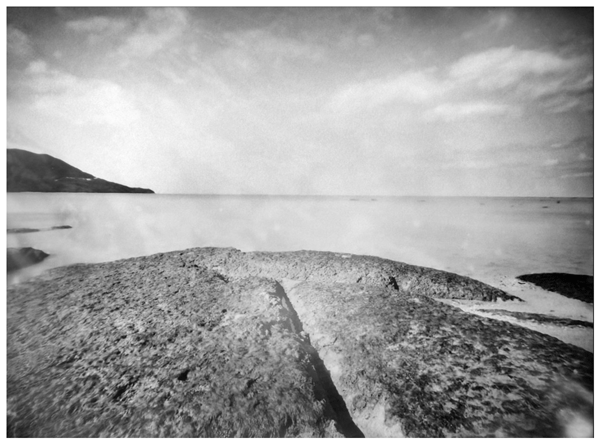
A drop in the ocean: photographic witnessing and the Fukushima wastewater release
Fiona Amundsen
Ever since the Japanese Government's 2021 announcement approving Tokyo Electric Power Company (TEPCO)'s plan to discharge this wastewater into the Pacific Ocean, there has been widespread public dissension. In efforts to control public opinion and mistrust, words such as “treated”, “purified”, and “diluted” circulated among official government and scientific discourse concerning TEPCO's plan. These words are mundane, deceptive and distracting. For example, remaining traces of tritium were proposed as so diluted that the water is akin to drinkable standards. Furthermore, the vast scale of the Pacific Ocean reinforced just how diluted the Fukushima wastewater would ultimately become, totalling to 0.000183 %, meaning quite literally a drop in the ocean. This article responds to this context by exploring how this language of dilution and trace function to mask the slow eco-cultural violence embedded in Japan's wastewater release. Specifically, I focus on how my photographic series Listening to Seaweed attempts to visualize what is largely imageless – diluted trace evidence of tritium. Through close readings of these artworks, I explore how photographic film's inherent sensitivity to ionizing radiation can register, and thereby witness, the presence of environmental radiation. I am interested in how this witnessing functions to critique the ideological contexts that continue to perpetuate nuclear power as a safe by-product of the technology developed to produce nuclear weapons. Methodologically framed via artist and theorist Susan Schuppli's (2020) conception of material witnessing, I argue for forms of politicized witnessing that move beyond visibility itself; instead, quantifiable evidence of nuclear ideology is physically embedded in the image. This article questions how these materially oriented methods can establish forms of socio-ethical listening and material witnessing that promote transgenerational nuclear justice concerning this current geo-political moment.
- Article
(4863 KB) - Full-text XML
- BibTeX
- EndNote


Photographic images, produced by either analogue film or a digital sensor, are materially dependent on electromagnetic radiation to exist. This radiation spans a spectrum of wavelengths and frequencies, which correspond to different energy levels. Most photographs use visible light, deriving from the sun and electrical sources, which is a non-ionizing form of radiation that activates silver halide crystals in film or photoelectric sensors in digital cameras. Film, however, can also be affected by invisible ionizing radiation such as ultraviolet, X-rays, and gamma rays1. These forms of radiation have much shorter wavelengths and higher energy, which can change the silver halide crystals in film without any visible light. This capacity for both visible and invisible radiation, be it ionizing or not, to alter photographic materials underscores photography's fundamentally material relationship to energy. Some form of energy must be present to indexically imprint itself into the image-capturing device. For analogue photographs, this connection is physical: the silver halide crystals of photographic emulsion are activated and altered by electromagnetic radiation, regardless of its visibility. Photographic film's sensitivity to registering invisible electromagnetic radiation makes the medium a valuable tool in the context of the Japanese Government's 2021 announcement approving Tokyo Electric Power Company (TEPCO)'s plans to discharge wastewater from the damaged Fukushima Daiichi Nuclear Power Plant (FDNPP) into the Pacific Ocean. This sensitivity forms the central concern of this article.
The March 2011 magnitude 9.0 earthquake, which struck northeastern Japan, triggered a massive tsunami that disabled the power supply and cooling systems of the FDNPP, leading to reactor meltdowns, hydrogen explosions, and the release of radioactive materials into the surrounding atmosphere. Water, which had been used to cool the reactors by circulating through the cores to absorb heat, was no longer able to flow effectively after the cooling systems failed. As a result, the plant relied on emergency water pumps, and seawater was injected into the reactors to prevent further overheating and to minimize meltdowns. Post the immediate disaster, water has consistently been pumped into the plant's reactors as part of its decommissioning process, resulting in approximately 1.4 million t of radioactive wastewater. Sitting on-site in 1000+ storage tanks, this contaminated water, although treated to eliminate radionuclides, still contains tritium2. Although the International Atomic Energy Agency (IAEA) attests that the levels are below the standards of 1500 becquerels per litre and therefore in line with international safety standards, it is known that internal exposure to tritium, through ingestion, absorption, or inhalation, increases cancer and other adverse health-related risks3.
Starting in late 2023, to date, roughly 31 200 t of this diluted wastewater has been released, equating to just 10 tanks' worth. The entire process is anticipated to take 30 years and has been met with widespread public dissension. In efforts to control public opinion and mistrust, words such as “treated”, “purified”, and “diluted” circulated among official government and scientific discourse concerning TEPCO's plan. These words are deceptive and distracting. For example, remaining traces of tritium were proposed as being so diluted that the water is akin to drinkable standards (Lewis, 2023). Furthermore, the vast scale of the Pacific Ocean reinforced just how diluted the Fukushima wastewater would ultimately become, totalling 0.000183 %, meaning quite literally a drop in the ocean. This article responds to this context by exploring how ideas of dilution and trace function to mask the slow eco-cultural violence embedded in Japan's wastewater release. Specifically, I focus on how my photographic series Listening to Seaweed (2025) attempts to visualize what is essentially difficult to capture – both diluted trace evidence of tritium and the ongoing geo-political impacts of nuclear imperialism4. In the context of this article, nuclear imperialism is “defined as [state] domination, possession, and control on the use of nuclear weapons and civil nuclear technology” (Hussain and Zahoor, 2019).
Listening to Seaweed consists of pinhole large-format analogue photographs that were taken in two seemingly unrelated locations: Hiroshima and Ishigaki Island (see Figs. 1–5). The resulting artworks attempt to connect these two places via the nuclear imperial histories and experiences associated with each; namely the World War Two (WWII) 1945 atomic attack on Hiroshima and the present-day bolstering of Japanese military capability, which is evidenced by the newly developed (2023) Ground Self-Defence Force (GSDF) base in Ishigaki. The resulting photographs focus on a series of hibakujumoku trees (trees that survived the atomic bombings of Hiroshima and Nagasaki), protests, and shorelines impacted by GSDF in Ishigaki5. This series also explores how the material and indexical properties of film may be employed to visualize invisible trace radiation. I am interested in how filmic emulsion can literally record, and thereby witness, what remains invisible to human senses, meaning radiation residue and military pollution. These ideas are extended by devising film-developing methods where exposed film is processed using developer that has been made from seaweed gathered from the ocean current of the Fukushima wastewater release.
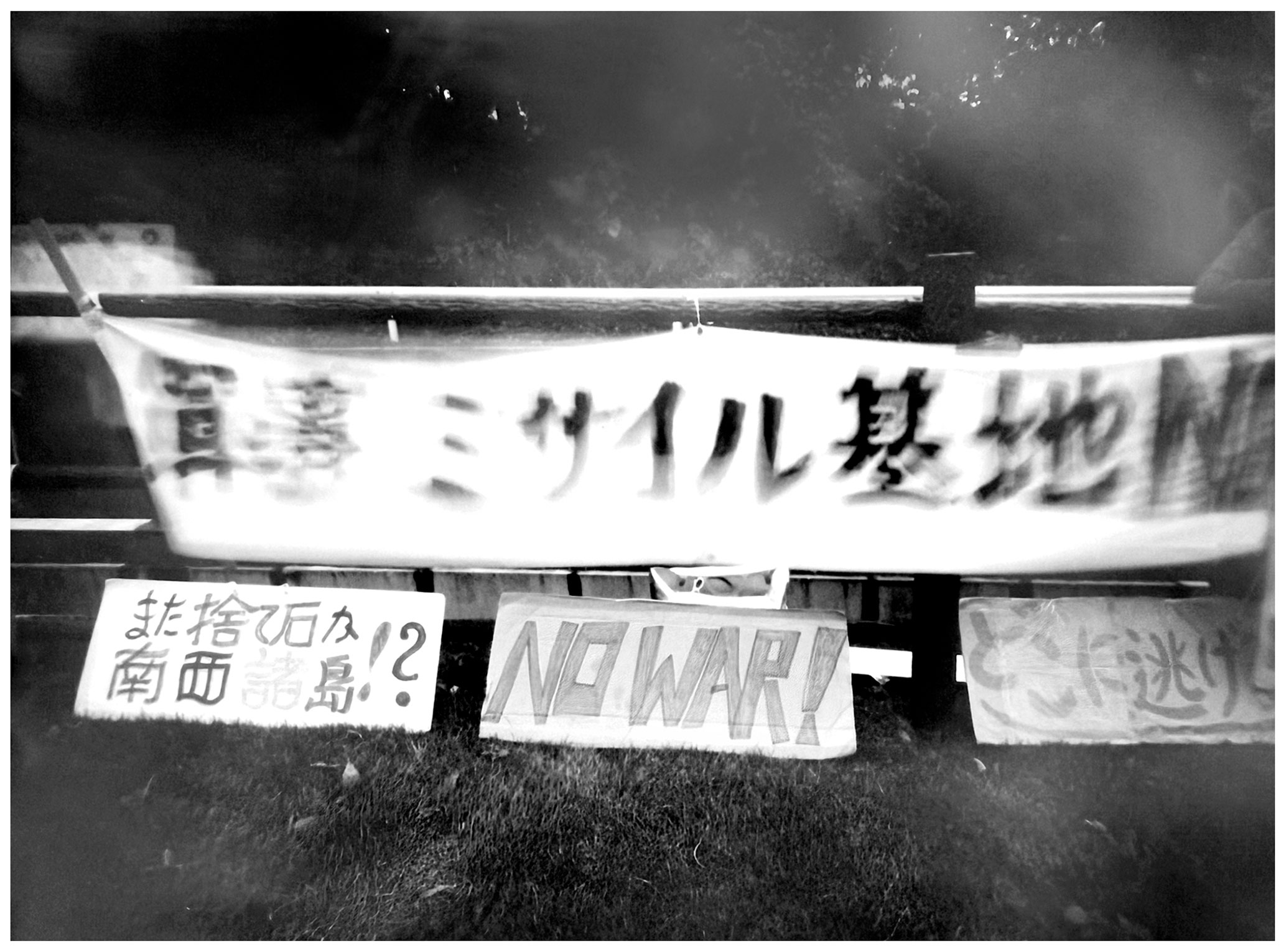
Figure 1Fiona Amundsen, Experiment Number 1: Society of Grannies to Protect Life and Livelihood, Ground Self-Defence Force Base, 19 January 2025, processed using Wrangelia seaweed, collected from the Ibamaru Fishing Port, Ishigaki Island.
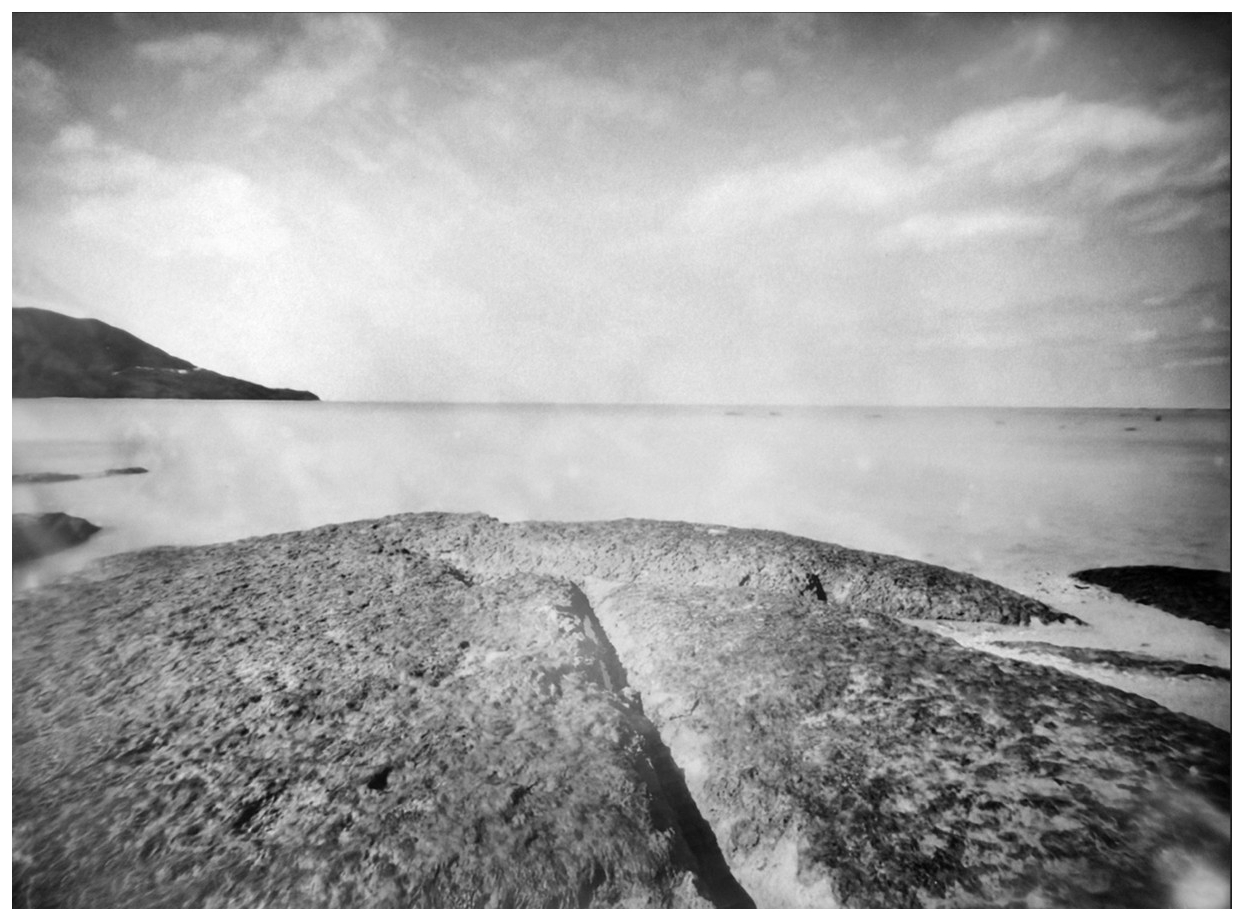
Figure 2Fiona Amundsen, Experiment Number 2: Ibaruma Bay, beside the fishing port, 18 January 2025, processed using Aosa seaweed collected from Ibaruma, Ishigaki Island.
My series aligns with established modes of artistic research that respond to not only the Fukushima disaster but also to the ongoing impacts of WWII and the Cold War nuclear weapon detonations, as well as the Chernobyl (1986) nuclear power plant accident. Many artists have devised methods that utilize the material properties of analogue photographic emulsion to visualize the continuing effects of invisible ionizing radiation. There is a focus on how to see that which literally has no image, meaning radiation itself. Accordingly, this article begins with an analysis – in “Analogue Film and the Invisible Presence of Ionising Radiation” – of recent artworks that have explored how photographic film is able to visually depict radiation patterns existing in nuclear contaminated environments. This section argues that these artistic methods can challenge the constraints of conventional nuclear iconography, which, although aesthetically spectacular, fails to accurately depict the realities of ionizing radiation and imperial ideology. I am specifically interested in how these methods may function to broaden human perception and vision concerning nuclear contexts. They offer unique forms of socio-ethical witnessing that require types of engagement that extend beyond what is recognizable and thereby knowable as “nuclear” within photographic images. These concepts are central to recent theorizing of photography where discourse has shifted away from the limits of representation to the ways in which images can be used, because of their indexical relationship to reality to see anew and thereby imagine varying socio-political conditions that inform reality. This thinking is explored more fully in “Documentary Photographic Witnessing and the All-too-real Image”, where I reference theorist Georges Didi-Huberman's (2008) argument that situates the role of imagination as fundamentally ethical when engaging with photographs that on the surface appear visually removed from the contexts they represent.
The final section – “Listening to Seaweed: Seeing Diluted Trace Evidence of Tritium” – explores how my materially oriented methods can establish forms of socio-ethical listening and material witnessing of the slow eco-cultural violence of this current geo-political moment. Through close readings of my artworks, I explore how photographic film's inherent sensitivity to ionizing radiation can register, and thereby witness, not just radioactivity but also, by proxy, the ideological contexts which continue to perpetuate nuclear technology, be it weapons manufacturing or power, as viable options in a world that is experiencing a global rise in far-right nationalist extremist governments. Methodologically influenced via artist and theorist Susan Schuppli's (2020) conception of material witnessing, I argue for forms of politicized witnessing that move beyond visibility itself. In other words, any sense of witnessing resides in the intrinsic material properties of the photographic film, as opposed to what the images depict. On the surface, the photographs appear as quite mundane; they depict shorelines, rocks coated in seaweed, and trees. Their visuality is not obviously nuclear. I am interested in how these images establish modes of bearing witness to the ongoing socio-environmental impacts of nuclear imperialism. Although my images appear to visually contain nothing of the contexts they engage with, they can become tools for critically thinking, feeling, and narrating anew current geo-political contexts. My images resist being “just a fact of something real in the world” and instead aim to speak of the “social condition of that world” (Enwezor, 2009). This position is particularly important when thinking about how the nuclear seeps, invisibly, into not just the present but the future too.
Photography has a history of making the intangible tangible. The medium's ability to capture ephemeral moments, abstract concepts, and invisible phenomena into fixed visual representations has long been a source of critical wonder with respect to the medium itself. As theorist Suzie Linfield argues,
photographs excel, more than any other form of either art or journalism, in offering an immediate, viscerally emotional connection to the world. People don't look at photographs to understand the inner contradictions of global capitalism… They – we – turn to photographs for other things: for a glimpse of what cruelty, or strangeness, or beauty, or agony, or love, or disease, or natural wonder, or artistic creation, or depraved violence, looks like (Linfield, 2010, p. 22).
Although Linfield acknowledges that images construct and manipulate vision and thereby meaning, she also champions the significance of responding to images through their referential relationship to the real, meaning photographs look like the things they represent. Key to Linfield's argument is how photographic images, be they analogue or digital, have a uniquely indexical relationship to reality. This relationship resides in the physical connection – caused by light rays – that exists between whatever is photographed and its resulting image. Digital photographs are produced when a camera's image sensor converts refracted light into binary code; analogue photographs are the result of light absorbed by layers of light-sensitive silver halide crystals, recorded as latent image, which is then revealed through chemical processing. Although materially different, both forms of image-making are dependent on the presence of refracting light bouncing off whatever is in front of the lens. No other form of representation can claim this causal, indexical relationship.
As discussed, analogue photographic film is particularly sensitive to light derived from both visible and invisible forms of electromagnetic radiation. Regardless of the source, the silver halide crystals of photographic emulsion have the ability to record that which goes beyond human vision and senses. This trait is particularly relevant in nuclear contexts. Ionizing radiation is imperceptible to human senses. Subsequently, photographic film is an indispensable medium for revealing its existence. Its material properties can register radiation's presence across a variety of contexts and conditions6. In a visual arts context, film's material ability to visualize invisible ionizing radiation has been a source of research and experimentation for numerous artists. Many artists have used photographic film to test the limits of how to represent the catastrophic and durational human and environmental impacts that have resulted from Cold War nuclear era weapons testing, uranium mining, nuclear power plant accidents, and nuclear waste management. There is a shared interest in perceiving and making visible the economic, political, ecological, and medical impacts associated with these nuclear contexts (Davre, 2019, p. 2). The resulting artworks, in spite of their different methods of production, share a common goal, which is to critically challenge how nuclear phenomena is mobilized, and thereby socially understood, via mainstream media and government-endorsed representations. Criticism is directed towards how established forms of nuclear iconography – be it the mushroom clouds of the 1945 atomic attack on Japan and subsequent global testing (1946–1996) of nuclear weapons, or the decimated buildings and cooling towers of nuclear powerplants – do not actually depict the dangerous realities of ionizing radiation7. Artists are looking for ways to make visible not only the radioactive particles that punctuate environments and bodies associated with these nuclear contexts but also the ideology that justifies one nation's use of another's lands and oceans for its nuclear tests, along with the rhetoric of nuclear power as a clean, waste-free green alternative to other forms of power generation. As a result, these artists primarily work with radioactive particles via autoradiography methods, as direct material within their artworks.
Autoradiography is a camera-less photographic process that “registers objects and entities that are radioactive themselves” (Moskatova, 2022, p. 120). It involves direct contact between objects and “customary photographic material or X-ray film” or by “plunging films into contaminated materials” (Moskatova, 2022, p. 120). This technique was first developed by physicist Henri Becquerel in the late 19th century. He discovered that uranium salts emit invisible beta particles and gamma rays. These forms of radiation are capable of penetrating objects and activating the silver halide crystals in photographic emulsion. He experimented with placing objects between the emitted particles and rays, and an emulsion-lined photographic plate to produce images. Becquerel's experiments demonstrated that radiation could be used as a form of exposure to reveal an object's internal mass, effectively allowing one to see through solid matter. Technically, when electromagnetic radiation interacts with photographic emulsion, it creates a latent image – an invisible record of energy waves formed in the silver halide crystals – which becomes visible only after the exposed material is chemically processed. The resultant processed image functions as a form of witnessing of the presence of radiation, which in nuclear contexts is ionizing. Artists have adapted this process to work with radioactive remnants associated with nuclear contexts as diverse as the Manhattan Project and the Trinity bomb test site in Yootó Hahoodzo (New Mexico); the American “Operation Crossroads” (1946) nuclear weapons testing programme in the Marshall Islands; the Chernobyl Nuclear Power Plant disaster (1986); and the Fukushima Daiichi Nuclear Power Plant reactor meltdown (2011)8. Of particular relevance to this article is how artists have used autoradiography methods to represent the Fukushima nuclear accident, which, although 14 years on, is still the world's most recent and ongoing – via the lingering presence of environmental ionizing radiation, and the wastewater release – nuclear disaster.
Writer Olga Moskatova (2022) outlines in “Photographing Hyperobjects: The Non-human Temporality of Autoradiography” that artists employing autoradiography methods to work with nuclear contexts deploy three main visual strategies. The resultant artworks contain vague shapes and colours, establish a “comparison between conventional photography and autoradiographic traces, either by embracing the decay of a photographic representation or by juxtaposing it with abstract images of radiation”, or autoradiograph “recognisable objects” (Moskatova, 2022, p. 122). Regardless of the visual outcome, the artistic methods involve burying film in radioactive contaminated zones or take the form of direct contact printing, where radioactive matter – such as dirt, plants, and everyday objects from nuclear impacted environments – is placed directly on top of the photographic film to create an exposure9. When the film is processed, the resulting images contain glowing white and soft-grey blurry splotches set against a black background. This collectively delineates the form of whatever radioactive matter was in direct contact with it. The denser the outline and indication of an object, the stronger the presence of radioactivity.
In response to the Fukushima accident, several Japanese artists employed radiography methods as a means by which to visualize the impacts of the disaster to local community lands and infrastructure. Fukushima-born artist Shimpei Takeda used, as part of Trace (2012) contaminated soil, sources from historically significant locations across the Kanto and Tōhoku regions to produce a series of photographic exposures. His process involved positioning the collected soil directly onto unexposed black and white film. This assembly was then stored in a light-tight container, with the exposure duration extending up to a month, based on the soil's level of contamination. The resulting images evoke the appearance of a galaxy; however, their whitish-grey marks serve as evidence of trace radiation in the sampled soil, as opposed to stars. Takeda believes that by “visualizing [these] traces into visible form, the resulting images will speak to us beyond the photograph, and perhaps they will be a valuable asset and documentation for future generations” (Takeda, 2013, p. 213). Implicit in Takeda's statement is how these images can evidence radiation, both now and for the duration of radioactivity's lifespan.
This same reading holds relevance for other artists who have also worked with and in radioactive hotspots associated with Fukushima. In Autoradiograph (started in 2012), Masamichi Kagaya examines how high levels of atmospheric radioactivity influence surrounding plant and animal life. He gained access to restricted areas to gather specimens such as trees, small deceased animals, and everyday objects, which he then positioned onto radiographic imaging plates. Once processed, the images have the same eerie white-and-grey splotches as Takeda's; however, these images depict recognizable things. For example, among his images of irradiated foliage and deceased animals, there are objects like a glove, a baseball helmet, a t-shirt, shoes, and a pair of scissors. The latter are particularly haunting as their forms are clearly indicative of the humans whose bodies once occupied these objects. These photographs not only witness the event and its ongoing legacy but also the “voice of its victims” (Davre, 2019, p. 11). This “voice” in turn establishes both an emotional connection to and a critical textual analysis of the socio-political realities they represent.
Working in a related manner, Yoi Kawakubo's photographic series If the Radiance of a Thousand Suns Were to Burst at Once into the Skies (2014–2019) consists of colour photographs printed from large-format negatives that were buried for several months, 3 years after the initial accident, in evacuation zones surrounding Fukushima. Once processed and printed, the resulting photographs depict abstract merging terrains of different colours which link not only to the film's material composition but also to the different wavelengths present in radiation. The photographs are also suggestive of the duration of radioactivity's lifespan as they offer ways to “see” time and radiation itself. These images attest to the ongoing radioactive aftermath of Fukushima, as “for radioactive particles in the atmosphere to be visible on photographic film, the level of radiation has to be very high” (Volkmar, 2022, p. 64). However, what they depict is not necessarily recognizable as being obviously nuclear, meaning the artworks differ from conventional nuclear iconography. That said, the artworks at a cellular level are undeniably connected to the nuclear contexts they represent.
Photographic documentary images have long contested relationships to the things they represent. Since the 1970s, this uncertainty has been characterized by a photograph's indexical reliance on a material world and the ways in which this relationship manifests through social, political, and ethical circulation of meanings. A camera's twofold ability to produce an index of the world (a sign causally related to its referent), and for this sign to also function ideologically has informed photomedia theories that politicize representation and the medium of capture itself10. Throughout the 1980s and 1990s, photographic discourse – influenced by theorists Roland Barthes and Susan Sontag – fostered a profound scepticism towards the truthfulness and the objectivity of photographic images, as well as their ability to accurately depict reality. This theorizing framed both photographs and the “reality” they purportedly capture as artificial constructs. Although Barthes (1980) and Sontag (1977) concede to the special indexical connection that lens-based images have to reality, much thinking of that time perceived images as instruments of deception, leading to an overarching mistrust of any genuine connection to reality; emphasis was directed towards cultural decoding and critique (Tagg, 1988, p. 63-4). This era saw the debunking of photographic indexicality as a “discursive construction”; reality was considered an “effect of images rather than their cause”, resulting in a “deep mistrust in lens-based documentary's use-value” (Balsom, 2017, p. 4).
Theories that frame documentary lens-based practice with suspicion have been re-examined since the late 1990s. Instead of critiquing how lens-based images function socio-culturally, the focus now is more with what images can do – the ways that they impact and thereby connect their viewers with what is visually represented. This shift is particularly potent in nuclear contexts and their associated socio-environmental violence. In The Cruel Radiance: Photography and Political Violence (2010), Susie Linfield addresses the implications of the previous mode of critique: “what we have lost is the capacity to respond to photographs, especially those of political violence, as citizens who seek to learn something useful from them and connect to others through them. Antipathy to the photograph now takes us only so far…” (Linfield, 2010, p. 24-25). Linfield, among others, embraces the very property – photomedia's relationship to reality – that Sontag and her contemporaries framed as a failed promise. However, this embracement requires careful attention with respect to imagining and negotiating what an image shows, and the discourses that emerge, which extend further than what can be seen in an image.
The idea of imagination with respect to photographic images has been politicized by theorist Georges Didi-Huberman in Images in Spite of All: Four Photographs from Auschwitz (2008). This text focuses on the only existing photographs that depict the mass killings of Jewish prisoners in Nazi concentration camps. Didi-Huberman analyses how, because of the conditions from which they emerged, these images must be seen; their content, the killings at Auschwitz, must be imagined in some way. However, this proposition is complicated by the images themselves. As they were produced in secret and in haste (by the Sonderkommando), the images are compromised in the specificity that they aim to speak to: they are grainy and shot from a distance in contrasting light, with bodies, smoke, and landscape blurred together. Although what these photographs show is limited, Didi-Huberman argues that their existence alone must be acknowledged, thereby creating an actual link, via the image, to the unimaginable hell of Auschwitz (Didi-Huberman, 2008, p. 3). For Didi-Huberman, imagination gives what cannot be seen in these images a sense of visibility:
To imagine in spite of all, which calls for a difficult ethics of the image: neither the invisible par excellence (the laziness of the aesthete), nor the icon of horror (the laziness of the believer), nor the mere document (the laziness of the learned). A simple image: inadequate but necessary, inexact but true. True of a paradoxical truth, of course. I would say that here the image is the eye of history: its tenacious function of making visible (Didi-Huberman, 2008, p. 39).
These photographs are connected to the reality that was Auschwitz, that “famous indexicality that today's postmodernists are wrong to have tired of so quickly” (Didi-Huberman, 2008, p. 75). For Didi-Huberman, this is something special, something to work with in terms of enacting a closer, lived relationship between that political past and the present. However, he also acknowledges that it is tricky to enact this relationship when these images are fragmented to the point of almost abstracting what they depict. He asks: “Why is there such a difficulty? It is because we often ask too much or too little of the image. Ask too much of it? – `the whole truth' for example? – and we will quickly be disappointed” (Didi-Huberman, 2008, p. 32). Didi-Huberman is making a distinction between visibility and knowing. He is arguing that images which visually appear as quite plain can still “speak” of their socio-cultural conditions. This distinction is particularly pertinent in nuclear contexts where photographic imagery attempts to make visible the presence of ionizing radiation. As discussed, this kind of imagery largely results in a type of visuality that sits outside of established modes of nuclear iconography. What gets witnessed requires a leap of imagination as it does not look obviously nuclear; images of this nature require attuning into a type of critical seeing.
In this context of longstanding suspicion towards documentary truth claims and a renewed emphasis on what images can do, I approach nuclear imaging as a site where material traces and ideological framing coincide. In the context of how the Fukushima wastewater release is publicly communicated, terms such as “treated”, “diluted”, and “purified” are repeatedly used. Their purpose is to stabilize public perception. While “treated” and “diluted” draw on the authority of scientific measurement, by contrast, “purified” operates on a subjective register, signalling a narrative of safety rather than a strictly technical outcome. These distinctions echo how the social construction of photographic images and their meanings have been theorized. In a similar way to how the precise use of language manages perception of the Fukushima wastewater discharge, photographic meaning is shaped not only by what is materially present but by the ideological frames through which it is received. There is a tension between measurable claims and subjective assurances. This tension connects to how and what my images can communicate in nuclear, environmental, and political contexts.
In my series Listening to Seaweed, I too am conscious of the kinds of critical seeing that are required to engage with photographs that at first encounter are subtle with respect to the nuclear complexities they represent. I am drawn to the idea that knowledge can be gained – and consciousness raised – by believing in what is being witnessed through the materiality of analogue photography, which is able to register invisible properties. However, this is a challenging position for my photographs to take up because they work with something as abstractly complex and huge as the Fukushima wastewater release, the ongoing impacts of the WWII atomic attack on Japan, and present-day militarism. The question for my images then becomes how to use the material properties of analogue photography to establish modes of bearing witness to that which extends beyond the photograph itself. This positioning requires a shift in how photographic images are received. The focus does not revolve around what may or may not be visible within an image – both ionizing radiation and the ideologies surrounding nuclear and military contexts are not tangibly evidential – but rather how an image is able to foster an imaginative response to what it indexically connects to and represents. It calls for a type of response where critical reflexivity linked to the making and reception of photographs is able to push beyond the notion that knowledge is contingent upon deciphering representation and recognition, meaning the “significance of what one witnesses may remain uncertain, [and] one's understanding may remain incomplete” and “yet there is no doubt as to the reality of what is presented to view, nor of [a photograph's] ability to provide valuable access to it… all vision is partial” (Balsom, 2017, p. 17). There is a focus on invisibility as much as there is on visibility.
In January 2025, I had the opportunity to spend time on Ishigaki Island (Japan) as an artist in residence at the MA Umi Residencies. As part of the experience, selected artists are expected to collect, discuss, and experiment with the land, the ocean, and nearby communities. My project, Listening to Seaweed, involved experimenting with the ocean via seaweed11. As stated, I trialled, using seaweed gathered from the ocean current of the Fukushima wastewater release, to develop analogue photographs I had taken in Hiroshima and Ishigaki. Seaweed has natural compounds like polyphenols and alginic acid, which contain properties that can be used to develop photographic film. Specifically, polyphenols act as mild developing agents by reducing silver halides in the film's emulsion in a manner that is similar to traditional chemical developers. When combined with an alkaline solution, these compounds reveal the latent image that has formed on the film as a result of exposure to electromagnetic radiation. As a result, my aim was to devise methods that extend those established by artists – some of which are discussed in this article – who use photographic film to work with radiation contamination and nuclear contexts. I was specifically drawn to the complexity of attempting to image the diluted trace evidence of tritium from the Fukushima wastewater release and by proxy the ongoing geo-political impacts of nuclear imperialism and expanding militarism. In sum, my interest revolved around how seaweed developer – literally made from algae whose DNA has been altered via the presence of environmental radioactive nuclides – becomes not just a form of imaging but also of ethical listening and imagining. I reflected on how not just photographic film could activate Susan Schuppli's conception of material witness but seaweed too. I thought of seaweed, and what it can communicate about what it has witnessed, as being both of and in the image.
The term “material witness”, derived from common law, refers to an individual possessing information or evidence that is significant to legal proceedings. Such witnesses have either directly observed a crime or hold critical knowledge relevant to a case, and their testimony or evidence is considered indispensable to the prosecution or defence. Human and non-human entities such as DNA, documents, objects, and other physical evidence are considered material witnesses. Schuppli explores this latter conception of material witness by focusing on materials and matter “that have recorded trace evidence of the violence that generated their contexts” (Schuppli, 2020, p. 3). She focuses on how trace evidence of external events are “registered directly by changes in the material composition” of media, thereby “producing a condition of informational enrichment that opens up the artifact to further analysis and critical reflection” (Schuppli, 2020, p. 64). She situates materials as active witnesses rather than as metaphorical, meaning there is a direct causal relationship between materials and matter. However, for Schuppli, the “mere fact that materials capture and archive eventful processes within their substratum, or habour information as metadata, does not convert such entities into de facto material witnesses capable of testifying” in their relevant contexts (Schuppli, 2020, p. 18). Rather, her focus revolves around the necessity for matter to intervene by transforming the visible and the intelligible; it must serve as evidence in some capacity.
For Listening to Seaweed, the capacity for materials to witness is encompassed by both the photographic film itself and the developer made from seaweed. Seaweed, like other marine organisms, bioaccumulates radioactive substances from surrounding waters. I am concerned by how the waters that the seaweed near Ishigaki Island grows in have been doubly contaminated – by the 300-plus nuclear tests conducted across unceded parts of Oceania and the Fukushima wastewater release. The former, in particular, with their ever increasingly larger yields, caused the distribution of dangerously high levels of ionizing radiation across lands, oceans, and people throughout Oceania and beyond. These tests, along with detonations across other continents, has resulted in the absorption of “radioactive isotopes of carbon, cesium, strontium, and plutonium” by all post-WWII humans, plants, and oceans across the planet (Welsome, 1999, p. 489). Post the immediate disaster, water has consistently been pumped into the plant’s reactors as part of its decommissioning process, resulting in well over a million tonnes of radioactive wastewater.12. For my photographs, these contexts create conditions regarding what can be learnt from seaweed, meaning how it can show something of the environment that nuclear-military logic has created. Put simply, I am curious about what seaweed ancestors have seen, ingested, and passed on to one another across ocean time and space, since the inception of nuclear testing and nuclear power plants, specifically their waste. My resulting series of photographs attempts to activate seaweed's narrative potential as a politicizing agent.
This curiosity has resulted in a series of photographs of trees and rocky shorelines. As discussed, their visuality is not obviously nuclear. They do not depict any sense of the nuclear and military contexts that inform their surroundings. However, in spite of this lack, the photographs possess, due to their eerie soft greyness and white blotches, a kind of unsettling quality. This subtle quality, along with the context of how the photographs have been produced, evokes a type of engaged looking which results in questioning how the image's content is significant beyond what is simply visible. This looking and questioning is particularly pertinent in nuclear contexts where, as discussed, radiation evades human visual perception but not that of photographic film. After all, “what we see in a photographic image might be something we do not know or recognize, for the camera [and its film] can capture the… appearance of things that escape our perception” (Baer, 2002, p. 87). For Listening to Seaweed, this act of being unsettled by an image in a way that does not lead directly to understanding is powerful as it keeps open the space of witnessing and the interpretation of other complex socio-political narratives associated with the photographed place. I am interested in how my images can move a viewer's response from “what am I looking at?” to “what do I expect to see here; what am I being asked to imagine and witness?”.

Figure 3Fiona Amundsen, Yoshino Cherry Tree, Sanyo Buntokuden, Hiroshima (lovingly held), 10.18×12.7 cm negative processed using seaweed gathered from the ocean current of the Fukushima wastewater release, Inkjet Washi photograph, 950×1550 mm, 2025.

Figure 4Fiona Amundsen, Japanese Pussy Willow Tree, Motomachi, Hiroshima (what you see), 10.18×12.7 cm negative processed using seaweed gathered from the ocean current of the Fukushima wastewater release, Inkjet Washi photograph, 950×1550 mm, 2025.
This sense of witnessing is expanded to the material properties of the analogue film itself. Where other artists have utilized autoradiography techniques to reveal environmental trace radiation, I have opted for methods that experiment with how the film's latent image is developed. My images, while obviously materially impacted, do not possess the same kinds of enchanting visuality that results from working with the spectral dimension of ionizing radiation through the kinds of camera-less exposures described above. Schuppli outlines her concerns about autoradiographs in the sense that there are risks that the aesthetic affectual qualities of the resulting images shift attention from critically interrogating nuclear ideology (Schuppli, 2020, p. 263). She acknowledges that although autoradiographs are undeniable materially bound – as evidenced via imaged ghostly traces of radiation – their witnessing capacity, and therefore political agency, is at risk of dilution. For Schuppli, “understanding the technicity of such ghostly forces must always balance our affective enchantments, otherwise the agency and politics of nuclear materials are all too quickly transformed into signs that can be read, and are expressive of cultural value, but eschew their evidential capacity to testify to events” (Schuppli, 2020, p. 263). I align with Schuppli's position as my images too are trying to balance relationships between what is materially witnessed, the role of critical imagination and narration, and enviro-political agency.
For my photographs, material witnessing is twofold. It firstly occurs through how the film's emulsion is impacted by the seaweed developer and how what it contains speaks to its nuclear-military-impacted environment. This impact visually registers as overall grey fogging, with some small and inconsistent white blotches. The film has responded in this way because of how the development process involves constant agitation as opposed to soaking. In other words, there is very little time where the seaweed solution stays in direct contact with the film for prolonged periods. That said, the film's latent image is still impacted during the development. Furthermore, although the amount of tritium and other radionuclides that are present in the seaweed are diluted, due to ocean expanse and currents, they still materially register their presence. The film indexically confirms what human eyes cannot detect.
This form of indexical material witnessing extends to the latent image itself, meaning the image caused by the original exposure that resides in the silver crystal halides of the photographic film, awaiting development from either conventional photographic chemistry or, in my case, seaweed. At first glance, these images appear as somewhat removed from the nuclear-military contexts they attempt to critique; however, they are intimately tied to both the birth and use of nuclear weapons, as well as the logic that proposes nuclear power as a safe by-product of this technology. Consequently, the photographs of survivor trees and rocky shorelines that make up Listening to Seaweed materially witness the start and ongoing destructive devastation of the nuclear, be it those who continue to fight for reparations, the generation of power, or the renewed threat of the use of nuclear weapons13. From Little Boy's remnants to the ongoing dilemma of Fukushima's cleanup and decommission, these somewhat mundane photographs evidence the totality of nuclear imperialism. My images place viewers in a position where they must simultaneously imagine the ethical, social, and political horrors of nuclear weapons and power plants while also materially witnessing their destructive violence through how the seaweed developer has impacted the film. In other words, multiple forms of looking, imagining, and witnessing are required.
This article has explored how the material and indexical properties of film may be employed to visualize invisible trace radiation. My focus has been on how to develop modes of photographic seeing that not only extend established artistic methods of working with nuclear contexts but also considers the role of imagination regarding the reception of images. As a result, the medium of photography is understood as being both reflective of reality as well as an active force that materially interacts with it. In other words, there is a focus on how a photographic image's special referential relationship to the world can incite imaginative witnessing responses to the socio-political reality it is connected to. This thinking extends to nuclear contexts, where witnessing shifts beyond what can be directly perceived.

Figure 5Fiona Amundsen, Eucalyptus Tree, Motomachi, Hiroshima (a different time), 10.18×12.7 cm negative processed using seaweed gathered from the ocean current of the Fukushima wastewater release, Inkjet Washi photograph, 950×1550 mm, 2025.
In Listening to Seaweed, imagination and witnessing come together in ways that are materially and conceptually nuanced. By conceptualizing both the seaweed and the photographic process as witnesses, the images of this series interrogate how materials themselves can testify to legacies of nuclear-military violence and contamination. However, witnessing extends beyond what is visibly present in an image. Rather than offering direct visual representations of nuclear-military violence, my images establish a type of witnessing that is marked by subtle material distortions within the film itself, which evoke the unseen presence of contamination. The photographs do not only present a reality; rather, that reality is both of and in the images themselves. Therefore, imagination is an essential tool in both the creation and reception of these images. Fundamentally, there is a challenge to imagine a multitude of invisible forces at play – meaning radiation contamination, and the so-called logic of nuclear-militarism and nuclear power. In addition, the seaweed developer, altered by radioactive nuclides in the ocean, transforms the film in ways that indexically confirm the presence of contamination. However, the photographs themselves remain deliberately subtle, encouraging forms of imaginative witnessing that move beyond what can literally be seen. Equally, an imaginative leap is required in order to understand the broader implications of what has been inscribed into the film's materiality.
Listening to Seaweed works with the complexity of witnessing, where evidence is not fixed but instead is a dynamic interplay between visibility, invisibility, and imagination. This interplay enables viewers to confront the ethical, social, and political dimensions of nuclear violence, making the act of seeing not just a matter of observation but a process of interpretation and ethical-critical reflection. Central to this process is how the film's greyness and white blotches – a direct result of active environmental radioactive contamination – function as potent forms of narrative testimony. In essence, the analogue film's inherent materiality speaks in a manner that “involves a conceptual realignment away from a functional understanding of `speech' towards an engagement with the expressive technicity of matter” (Schuppli, 2020, p. 263). Disturbingly, the existence of radiation in the Pacific Ocean waters that surround Ishigaki Island – the very waters that feed the seaweed used to develop my images – is materially inscribed into the film's physicality, meaning the silver halide crystals that make up its emulsion. The film's crystals, with their latent images of Hiroshima's hibakujumoku and Ishigaki's rocky shorelines, have much to say about our current cultural moment regarding nuclear imperialism. Consequently, as the film speaks, we too must develop ways to better hear what it is saying.
Readers interested in the artists discussed in this paper are encouraged to visit the websites referenced in the bibliography.
The author has declared that there are no competing interests.
Publisher's note: Copernicus Publications remains neutral with regard to jurisdictional claims made in the text, published maps, institutional affiliations, or any other geographical representation in this paper. The authors bear the ultimate responsibility for providing appropriate place names. Views expressed in the text are those of the authors and do not necessarily reflect the views of the publisher.
This article is part of the special issue “The power of the mundane in nuclear energy cultures”. It is not associated with a conference.
This research was supported by Ma Umi Residencies, Ishigaki Island, Japan.
The work was supported through funding from the AUT University (New Zealand), the Asia New Zealand Foundation (grant no. CU29045), and the Peace and Education Disarmament Education Trust (New Zealand).
This paper was edited by Sarah Glück and reviewed by Ele Carpenter and one anonymous referee.
Baer, U.: Spectral Evidence: The Photographing of Trauma, MIT Press, Cambridge; Massachusetts, 210 pp., ISBN 0262025159, 2002.
Balsom, E.: The Reality-Based Community. eflux Journal, 83, 1–13, http://www.e-flux.com/journal/83/142332/the-reality-based-community/ (last access: 6 January 2026), 2017.
Barclay, B.: Our Own Image: A Story of a Māori Filmmaker, University of Minnesota Press, Minneapolis, 128 pp., ISBN 9780816697618, 2015.
Barthes, R.: Camera Lucida: Reflections on Photography, Hill & Wang, New York City, 144 pp., ISBN 0374532338, 1980.
Bolen, J.: Site A/Plot M, [archival pigment prints], http://www.jeremybolen.com/11 (last access: 9 March 2025), 2011–2013.
Burgin, V. (Ed.): Thinking Photography, Red Globe Press, London, 252 pp., https://doi.org/10.1007/978-1-349-16716-6, 1982.
Carpenter, E. (Ed.): The Nuclear Culture Source Book, Black Dog Press, London, 207 pp., ISBN 9781911164050, 2016.
Charrière, J.: First Light, [inkjet photographs], VG Bild-Kunst, Bonn, Germany, 2016.
Chen, X. and Xu, Q.: The Implementation of the Environmental Impact Assessment in Fukushima Contaminated Water Discharge: an Analysis of the International Legal Framework, Front. Marine Sci., 11, 1343710, https://doi.org/10.3389/fmars.2024.1343710, 2024.
Davre, A.: Revealing the Radioactive Contamination after Fukushima in Japanese Photography, Writing Photo Histories, 10, 1–12, http://hdl.handle.net/2027/spo.7977573.0010.104, 2019.
Didi-Huberman, G.: Images in Spite of All: Four Photographs from Auschwitz, Chicago University Press, Chicago, 248 pp., ISBN 0226148173, 2008.
Enwezor, O.: Documentary/ Vérité: Bio-Politics, Human Rights, and the Figure of `Truth' in Contemporary Art, in: The Green Room: Reconsidering the Documentary and Contemporary Art, edited by: Lind, M. and Steyerl, H., 62–102, Sternberg Press, Berlin, ISBN 978-1-933128-53-5, 2009.
Feighery, G. M.: “A Light Out of this World”: Awe, Anxiety, and Routinization in Early Nuclear Test Coverage, American Journalism, 28, 9–34, https://doi.org/10.1080/08821127.2011.10677786, 2011.
Ferreira, M. F., Turner, V., and Jha, A. N.: Controlled Release of Radioactive Water from the Fukushima Daiichi Nuclear Power Plant: Should We Be Concerned?, Environ. Sci. Technol., 58, 4840–4843, https://doi.org/10.1021/acs.est.3c08702, 2024.
Hales, P. B.: The Atomic Sublime, American Studies, 32, 5–31, 1991.
Hamilton, K. and O'Gorman, N.: Lookout America! The Secret Hollywood Studio at the Heart of the Cold War, Dartmouth College Press, Lebanon, 320 pp., ISBN 9781512603279, 2018.
Hariman, R. and Lucaites, J. L.: The Iconic Image of the Mushroom Cloud and the Cold War Nuclear Optic, in: Picturing Atrocity: Photography in Crisis, edited by: Batchen, G., Gidley, M., Miller, N. K., and Prosser, J., 135–146, Reaktion Books, London, ISBN 186189872X, 2012.
Hepner, A.: Transuranic, [uranotype prints], https://abbey-hepner.com/#/work/transuranic/, last access: 9 March 2025, 2013.
Hussain, N. and Zahoor, S.: Determinants of the US Nuclear Imperialism: a Theoretical Analysis. Margalla Papers: A Journal of International Affairs XXIII, 71–84, https://margallapapers.ndu.edu.pk/site/issue/view/15/4 (last access: 15 March 2025), 2019.
Jacobson, B. R.: French Cinema vs the Bomb: Atomic Science and a War of Images circa 1950, Historical Journal of Film, Radio and Television, 42, 191–218, https://doi.org/10.1080/01439685.2021.1990470, 2021.
Kagaya, M.: Autoradiograph, [online digital archive], https://www.autoradiograph.org/ja/ (last access: 7 March 2025), 2012.
Kawakubo, Y.: If the Radiance of a Thousand Suns Were to Burst at Once into the Skies, [pigment photographic print], https://www.yoikawakubo.com/thousand-suns (last access: 7 March 2025), 2014–2019.
Kriemann, S.: Library for Radioactive Archive, [autoradiographs and mixed media], https://susannekriemann.info/pechblende (last access: 9 March 2025), 2016.
Lewis, L.: Nuclear experts would drink Japan's treated radioactive wastewater, RNZ: Pacific, June 23, https://www.rnz.co.nz/international/pacific-news/492475/nuclear-experts-would-drink-japan-s-treated-radioactive-wastewater (last access: 15 March 2025), 2023.
Linfield, S.: The Cruel Radiance: Photography and Political Violence, University of Chicago, Chicago Press, 344 pp., ISBN 0226482510, 2010.
Lucien, H. and Pallain, M.: Fukushima: The Invisible Revealed, [chrono-radiographs], https://www.marcpallain.com/fukushima-the-invisible-revealed/ (last access: 9 March 2025), 2012.
Miceli, A.: Project Chernobyl, [radiographic negatives], https://www.alicemiceli.com/projects/chernobyl (last access: 9 March 2025), 2006–2010.
Moskatova, O.: Photographing hyperobjects: The non-human temporality of autoradiography, Philosophy of Photography, 13, 119–133, https://doi.org/10.1386/pop_00042_1, 2022.
Niwelińska, M.: γ [gamma trace], [photosensitive emulsion on aluminium and copper plates], http://www.niwelinska.com/albums/hidden-entropy/ (last access: 7 March 2025), 2017.
O'Brian, J.: Nuclear Flowers of Hell, in: Camera Atomica: Photographing the Nuclear World, edited by: O'Brian, J., 76–105, Black Dog Press, London, ISBN 9781908966483, 2015.
O'Hara Slavick, E.: After Hiroshima, [autoradiograph prints], https://www.elinoharaslavick.com/after-hiroshima-nagasaki-and-fukushima.html (last access: 9 March 2025), 2008.
Rosenthal, P.: The Nuclear Mushroom Cloud as Cultural Image, American Literary History, 3, 63–92, 1991.
Rosler, M.: In, Around and Afterthoughts (on Documentary Photography), in: The Contest of Meaning: Critical Histories of Photography, edited by: Bolton, R., 303–340, MIT Press, Cambridge; Massachusetts, ISBN 9780262521697, 1992.
Schuppli, S.: Material Witness: Media, Forensics, Evidence, MIT Press, Cambridge; Massachusetts, 392 pp., ISBN 9780262043571, 2020.
Shevchenko, V.: Chernobyl: Chronicle of Difficult Weeks, Glasnost Film Festival, Video: VH, 72 min, 1986.
Sontag, S.: On Photography, Penguin Books, London, 207 pp., ISBN 0374226261, 1977.
Tagg, J.: The Burden of Representation: Essays on Photographies and Histories, University of Minnesota Press, Minnesota, 272 pp., ISBN 9781517912239, 1988.
Taha, H.: Commentary: Nuclear Weapons, Israel and Gaza, The International Campaign to Abolish Nuclear Weapons, https://www.icanw.org/commentary_nuclearweapons_israel_gaza (last access: 15 March 2025), 2024.
Takeda, S.: TRACE – Cameraless Records of Radioactive Contamination, in: Making the Geologic Now: Responses to Material Conditions of Contemporary Life, edited by: Ellsworth, E. and Kruse, J., 206–212, Punctum Books, Brooklyn, https://doi.org/10.21983/P3.0014.1.00, 2013.
Taylor, B. C.: “Our Bruised Arms Hung Up as Monuments”: Nuclear Iconography in Post-Cold War Culture, Crit. Stud. Media Comm., 20, 1–34, https://doi.org/10.1080/0739318032000067065, 2003.
Trace: Trace series, [silver gelatin silver print], https://www.shimpeitakeda.com/trace/ (last access: 7 March 2025), 2012.
Volkmar, A.: Art and Nuclear Power: The Role of Culture in the Environmental Debate, Lanham: Lexington Books/Fortress Academmic, New York City, 220 pp., ISBN 9781666900224, 2022.
Welsome, E.: The Plutonium Files: America's Secret Medical Experiments in the Cold War, Dial, New York, 592 pp., ISBN 9780385314022, 1999.
In the late 19th century, while investigating whether phosphorescent materials might emit X-rays, physicist Henri Becquerel discovered that uranium salts emit invisible beta particles and gamma rays that penetrate the silver halide crystals of photographic emulsion. He found that when an object was placed between these emitted rays and the emulsion-lined photographic plate, the object's interior mass became visible. Becquerel's discovery used radiation to see through and inside of something, giving insight into the limits of human perceptibility and vision.
According to the International Atomic Energy Agency, the water has been treated via an `Advanced Liquid Processing System (ALPS): “ALPS is a pumping and filtration system, which uses a series of chemical reactions to remove 62 radionuclides from contaminated water. However, ALPS is not able to remove tritium from the contaminated water”. See “Fukushima Daiichi ALPS Treated Water Discharge-FAQS”, https://www.iaea.org/topics/response/fukushima-daiichi-nuclear-accident/fukushima-daiichi-alps-treated-water-discharge/faq (last access: 15 March 2025).
See Ferreira et al. (2024) where they discuss the untested dangers of releasing significant quantities of tritium into the environment with respect to its behaviour: “It is known that tritium (half-life of 12.6 years) in its inorganic form (i.e. HTO) quickly integrates into biological systems and can consequently associate with organic molecules [as organically bound tritium (OBT)]” (4840). They also state that “With regard to human health, higher incidences of chromosomal aberrations have been reported in workers exposed to 3H [tritium] compared to unexposed individuals while higher incidences of childhood leukemia around nuclear power plants, attributed to exposures, have been hotly debated in the scientific community” (4864).
For this series, the idea of listening is framed via Māori filmmaker Barry Barclay who believed that “we might do well to further explore how to make the camera a listener. As a Māori, you are taught how to listen, you sit at the feet and open your ears. You have “no right to know”. The knowledge is gifted to you at appropriate times and appropriate places” (Barclay, 2015, p. 17). Barclay explored this and other related material in his text Our Own Image: A Story of a Māori Filmmaker (1990), where he contemplated how Māori ways of being could become strategies in documentary filmmaking. I too am interested in how a camera can visually listen, and thereby enable the resulting images to enact new and different forms of witnessing and connecting to histories, experiences, memories, and also the self.
Although the atomic attacks on Japan decimated much of the life – humans, trees, and otherwise – in the hypocentre and surrounding areas, about 170 trees in Hiroshima and 50 in Nagasaki survived. Although their above-ground trunks, branches and foliage were burnt to stumps, their underground root systems survived. About two months after the attacks, these trees started to grow and regenerate. There are several Japanese-based non-profit organizations – Green Legacy Hiroshima and the Nagasaki Kusunoki Project – that look after the trees and engage in anti-nuclear education and abolition activism.
Moving-image celluloid also holds this same ability. For example, after the Chernobyl Nuclear Reactor Unit 4 meltdown (1986), filmmaker Vladimir Shevchenko was assigned the task of documenting the cleanup operation that was underway. He flew over the most impacted radioactive areas filming the scene below. “When Shevchenko's 35 mm footage was later developed, he noticed that a portion of the film was heavily pockmarked and carried extraneous static interference and noise” (Schuppli, 2020, p. 61). His film's exposure – and ultimately Shevchenko himself who died in 1987 – had not only recorded the actuality and severity of the accident but also the presence of dangerously high levels of atmospheric ionizing radiation. The impacted film stock is included in the documentary Chernobyl: Chronicle of Difficult Weeks (Shevchenko, 1986).
Nuclear iconography is an established field of scholarly criticism, with numerous texts specifically critiquing the socio-political implications of the mushroom cloud image (see, but not limited to Carpenter, 2016; Feighery, 2011; Hales, 1991; Hamilton and O'Gorman, 2018; Hariman and Lucaites, 2012; Jacobson, 2021; O'Brian, 2015; Rosenthal, 1991; and Taylor, 2003). Although differing in specific focus and methodology, these authors can be categorized as sharing a general mistrust in the ways that mainstream and state-endorsed representations of nuclear weapons development, testing, and stockpiling function to abstract their destructive killing powers by reducing them to aesthetic wonders separated from consequence. In particular, Hariman and Lucaites describe the mushroom cloud as an image trope that contains a “profound disconnect between the spectator and whatever has happened before the blast, and whatever has happened beneath it. All sense of cause, proportion, or complicity is obliterated by the incredible power unleashed from a single bomb, and hundreds of thousands could be dying below but the spectator sees only smoke and sky. Most important, the image is wholly disembodied. There are neither people nor a familiar mise en scène of embodied social interaction to ground one's encounter with the image” (Hariman and Lucaites, 2012, p. 141).
See Jeremy Bolen's (2011–2013) series Site A/Plot M which works with remains from the site of the world's first nuclear reactor; Julian Charrière's (2016) First Light with its focus on the legacies of the US testing programme dubbed “Operation Crossroads” that took place in the unceded territories of the Marshall Islands; Susanne Kriemann's (2016) ongoing series Library for Radioactive Archive which explores histories of German uranium mining; Alice Miceli's (2006–2010) Project Chernobyl which looks at the how areas around the site of Chernobyl nuclear power plant accident remain highly charged with radioactivity; Monika Niwelińska's (2017) γ[gamma trace] which addresses the source of where nuclear technologies began, meaning the Manhattan Project Trinity test site in Yootó Hahoodzo (New Mexico); and Elin O'Hara Slavick's (2008) After Hiroshima which navigates the history of the 1945 US atomic bombing of Japan. In addition, artists – namely Kagaya's (2012) Autoradiograph, Yoi Kawabuko's If the Radiance of a Thousand Suns Were to Burst at Once into the Skies (2014–2019), Lucien and Pallain's (2012) Fukushima: The Invisible Revealed, and Shrimpei Takeda's Trace (2012) – have specifically focused on the environmental, human and political impacts of the Fukushima Daiichi Nuclear Power Plant reactor meltdown.
Although not directly involving radioactive particles from contaminated sites, artist Abbey Hepner's series titled Transuranic (Hepner, 2013) uses a 19th century photographic process that uses uranium nitrate (a water-soluble yellow uranium salt that is used in the preparation of nuclear fuels), instead of silver halides, to produce a photographic print. Her images are of infrastructure associated with the disposal of nuclear waste linked to nuclear power plants; the series mainly focuses on the site of the “Waste Isolation Pilot Plant” (in Yootó Hahoodzo, New Mexico), which is a permanent geological repository for radioactive waste.
For example, Barthes (1980), Sontag (1977), Burgin (1982), Rosler (1992), Tagg (1988), and others critiqued the manner in which photographs are contextualized through various cultural, historical, political, semiotic, and materialist frameworks.
Although not the primary focus of this article, I acknowledge the wide-ranging use of seaweed, as both subject and artistic material, across the interdisciplinary field of bio-art. While many individual artists are working with seaweed as a primary focus, so too are a number of interdisciplinary art-focused research groups that engage with seaweed and algae – both are ecologically, materially, and politically motivated. Notable examples include Kelp Congress at Lofoten International Arts Festival (2019), which foregrounded indigenous and scientific kelp knowledge; Ocean Space (TBA21–Academy, established in 2011), which hosts ocean-centred artistic research; GrowLab, part of Bioart Society (established in 2008), which explores, among other projects, Arctic marine ecologies; the Center for Genomic Gastronomy (established in 2010), which focuses on seaweed's role in food systems and biodiversity; Waag Future Lab for Technology and Society (established in 1994), which experiments with algae bioplastics and open science; and networks like DIYbio (founded in 2008), which supports accessible seaweed-based bio-art and citizen-led environmental experimentation. Equally, seaweed has become increasingly significant in sustainable darkroom practices as both a subject and alternative developer. Both individual artists and collectives are using experimental analogue photography to focus on environmental crises, specifically climate change. Of note is The Sustainable Darkroom (established in 2019), which publishes open-source seaweed-based chemistry recipes, and facilitates artistic residencies and exhibitions focusing on biodegradable, low-toxicity film processing. The focus concerns the role of photographic practice with respect to species extinction, industrial toxicity, and environmental racism.
For a discussion on the legal ramifications of the Japanese Government's decision to release the wastewater, see Chen and Xu (2024), where they argue that the decision is geo-politically and environmentally irresponsible as it does not conform “with international law, because [Japan] rushed to the decision before conducting adequate environmental impact assessments”.
In addition to Russia threatening to use nuclear weapons against Ukraine, Israeli Minister Amihai Eliyahu has also publicly declared that using a nuclear bomb on the Gaza Strip in Palestine was a viable option. For further discussion, see Taha's (2024) “Commentary: Nuclear Weapons, Israel and Gaza”, International Campaign to Abolish Nuclear Weapons.
- Abstract
- Introduction
- Analogue film and the invisible presence of ionizing radiation
- Documentary photographic witnessing and the all-too-real image
- Listening to Seaweed: Seeing Diluted Trace Evidence of Tritium
- Conclusion
- Data availability
- Competing interests
- Disclaimer
- Special issue statement
- Acknowledgements
- Financial support
- Review statement
- References
- Abstract
- Introduction
- Analogue film and the invisible presence of ionizing radiation
- Documentary photographic witnessing and the all-too-real image
- Listening to Seaweed: Seeing Diluted Trace Evidence of Tritium
- Conclusion
- Data availability
- Competing interests
- Disclaimer
- Special issue statement
- Acknowledgements
- Financial support
- Review statement
- References